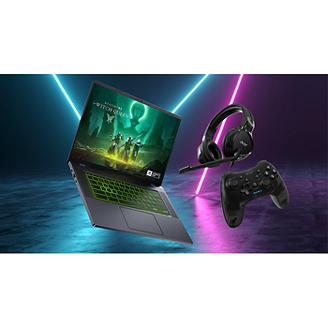
-
Why Nintendo Games Never Come to PC
Nintendo games almost never come to PC, and that is not an accident. Unlike other major game publishers, Nintendo has long treated its hardware and software as part of the same business model, using exclusive games to drive players toward its own consoles rather than competing on open platforms like Windows. That approach helps explain why official PC ports are so rare, why so many players turn to emulators instead, and why the best legal way to play modern Nintendo games still starts with Nintendo hardware.
Why Nintendo games almost never come to PC
Nintendo does not approach game publishing the same way companies like Sony, Microsoft, Ubisoft, or EA do. Rather than treating its games as products that should appear on as many platforms as possible, Nintendo treats its biggest franchises as a reason to buy Nintendo hardware in the first place. Games like Super Mario, The Legend of Zelda, Mario Kart, Animal Crossing, and Pokémon are not just successful releases. They are system sellers designed to pull players into Nintendo’s ecosystem.
That difference matters. If Nintendo released a new Mario Kart or Zelda game on Steam at launch, many players would no longer need Nintendo hardware to access those experiences. From Nintendo’s point of view, that would weaken one of the company’s biggest advantages. The value is not just in selling a $60 or $80 game. The value is in selling the console, the extra controllers, the accessories, and the subscription services that come after it. A player who buys a Switch or Switch 2 for Mario Kart may later buy Super Smash Bros., Animal Crossing, a Pro Controller, another set of Joy-Cons, and Nintendo Switch Online. That is a much bigger long-term business opportunity than a single PC sale.
This is one reason Nintendo has remained far more protective of exclusivity than Sony or Microsoft. Sony has increasingly used PC ports to extend the sales life of games like God of War, Marvel’s Spider-Man, and Horizon Zero Dawn. Microsoft has gone even further by treating Xbox and PC as part of a broader shared ecosystem. Nintendo has chosen a different route. It still relies heavily on the idea that if you want Nintendo’s most important games, you need Nintendo’s hardware.
Nintendo’s game design philosophy also makes PC ports less appealing than they might seem at first glance. Many Nintendo games are built around the features and limitations of a specific device. The Wii is one of the clearest examples. Games on that system were designed around motion controls, which were central to how players interacted with the hardware. The DS and 3DS used dual screens, touch controls, and in some cases a stylus, which shaped everything from menu design to puzzle mechanics. The Switch continued that pattern with handheld play, detachable Joy-Cons, local multiplayer features, HD Rumble, and hybrid use between docked and portable modes.
Even games that do not look hardware dependent on the surface are often designed around Nintendo’s own assumptions about how players will control them. In Super Mario Odyssey, for example, certain actions are tied closely to the feel of the Joy-Con setup and motion-based inputs. In The Legend of Zelda: Tears of the Kingdom, the game’s performance, controls, and physics were built specifically around Switch hardware and Nintendo’s own development targets. A modern PC port would not just mean moving the game over. It would mean testing for a huge range of hardware combinations, controllers, graphics settings, drivers, and display formats. For a company like Nintendo, that is extra work in service of a platform it has historically had little reason to support.
There is also the issue of price control and brand value. Nintendo is unusually good at keeping older games selling at high prices for long periods. Mario Kart 8 Deluxe is the classic example. Even years after release, it has continued to sell at or near full price and remains one of Nintendo’s top-selling titles. That is much harder to maintain in the PC market, where large seasonal discounts, bundles, and aggressive storefront competition are common. On platforms like Steam, even major games often fall sharply in price over time. Nintendo has long avoided that environment by keeping its biggest releases inside its own storefront and hardware ecosystem.
Nintendo is also known for being highly protective of its intellectual property. The company has a long history of guarding how its games, characters, and platforms are used. On PC, games often live in a more open environment that includes unofficial patches, mods, workarounds, reshades, controller remaps, and file-level tinkering. Many PC players enjoy that flexibility, but it does not align especially well with Nintendo’s traditional approach. Nintendo generally prefers a tightly controlled experience in which the hardware, software, storefront, and ecosystem are all under its supervision.
Another important point is that Nintendo is not under the same pressure as some of its competitors to expand aggressively onto PC. Sony and Microsoft both operate inside much larger corporate structures, and both have had strategic reasons to broaden their software reach. Nintendo, by contrast, has historically remained focused on its own gaming business and its own platforms. When its hardware is selling well, there is very little incentive to change course. If exclusives are already moving millions of consoles, Nintendo does not need PC in the same way another publisher might.
That is why the lack of Nintendo PC (or Xbox or Playstation) ports is better understood as a deliberate strategy rather than a missing feature. Nintendo does not keep games off PC because it forgot the platform exists. It keeps them off PC because exclusivity supports the company’s larger business model. Its games sell hardware. Its hardware strengthens its ecosystem. And that ecosystem gives Nintendo more control over pricing, design, and long-term brand value than a PC release ever could.
“But I see people playing Nintendo games on PC”
Image soure: Smash ultimate but it's on PC by Linklight Too
That usually does not mean Nintendo officially released the game on PC. In most cases, it means the player is using an emulator and a ROM.
An emulator is a piece of software that imitates a game console’s hardware on another device. In this case, it lets a PC behave like a Nintendo system closely enough to run games that were originally made for consoles such as the NES, SNES, GameCube, Wii, Switch, or Switch 2. Popular emulators are built to recreate how those systems process graphics, audio, controls, and game data, which is why a powerful PC can sometimes run older console games at higher resolutions or smoother frame rates than the original hardware.
A ROM is the game file itself. The term originally came from “read-only memory,” but in modern gaming discussions it usually refers to a digital copy of a cartridge or disc. If someone is playing The Legend of Zelda: Breath of the Wild or an older Pokémon game on a PC, the emulator acts as the console, while the ROM acts as the game.
That is why videos of Nintendo games running on PC can be misleading. What you are seeing is not a real PC port in the way that God of War, Horizon Zero Dawn, or Halo Infinite were officially released for Windows. Nintendo did not put those games on Steam, Epic Games Store, or the Microsoft Store. Instead, fans found a way to make PC hardware imitate Nintendo hardware and then loaded game files into that software.
This also helps explain why Nintendo games sometimes look unusually sharp or run at higher frame rates in online videos. Emulators often allow features that the original console does not, such as higher internal resolutions, unlocked frame rates, texture filtering, custom shaders, save states, or fan-made patches. In other words, people playing Nintendo games on PC are usually not accessing an official version at all. They are using unofficial tools to reproduce the console experience on another platform.
That distinction matters because when people say “Nintendo games are on PC,” what they usually mean is “Nintendo games can be made to run on PC through emulation,” which is very different from Nintendo supporting the platform itself.
Are emulators and ROMs legal?
The legal answer is more complicated than a simple yes or no. In general, emulators and ROMs are not treated the same way. An emulator, by itself, is not automatically illegal. In the United States, courts have recognized that reverse engineering for interoperability can be lawful in some circumstances, which is one reason emulator software is often discussed differently from pirated game files.
ROMs are where the bigger legal problem usually begins. A ROM is typically a copy of a game, and downloading or sharing that copy without permission usually infringes copyright. Nintendo explicitly states that downloading pirate copies of its games is illegal, and it specifically identifies those unauthorized game files as ROMs.
That is why people often say, “Emulators are legal, ROMs are illegal,” but even that is a simplification. The emulator software may be lawful if it was developed without unlawfully copying protected code, but the game file still has to come from a lawful source. In practice, most people running Nintendo games on PC are not using officially licensed PC copies from Nintendo. They are using dumped or downloaded game files, which creates the main legal risk.
Another issue is copy protection. Even if someone owns a physical game, bypassing encryption or other access controls can trigger separate legal problems under anti-circumvention rules such as Section 1201 of the DMCA in the United States. The Copyright Office’s rulemaking materials make clear that anti-circumvention law is a distinct layer on top of ordinary copyright law, with only narrow exemptions.
You will sometimes hear the argument that owning the original cartridge or disc makes downloading a ROM legal. Nintendo rejects that position outright, stating that downloading a Nintendo ROM from the internet is illegal even if you already own an authentic copy. That does not settle every legal debate in every country, but it does reflect Nintendo’s enforcement stance and the practical reality that “I own the game already” is not a reliable shield when the file came from an unauthorized source.
Truth is, you should really think twice when potentially infringing upon Nintendo’s IP. The company has a long history of suing individuals and businesses over emulators, ROM sites, modchips, and other tools it believes threaten its games and hardware.
In several cases, the fallout has gone well beyond a warning letter. It has included multi-million-dollar settlements, prison time, permanent injunctions, seized domains, and forced shutdowns.
* Tropic Haze, the company behind the Yuzu Switch emulator, agreed to pay $2.4 million to settle Nintendo’s lawsuit, and Yuzu was shut down as part of the agreement.
* Jacob Mathias, Cristian Mathias, and Mathias Designs LLC, the operators behind LoveROMs and LoveRETRO, agreed to a judgment of $12.23 million and gave up the domains.
* Gary Bowser, a public-facing member of Team Xecuter, was sentenced to 40 months in prison and ordered to pay $4.5 million in restitution.
* Max Louarn and Yuanning Chen, who were also charged in the broader Team Xecuter case, faced federal criminal charges tied to circumvention and videogame piracy technology.
* Tom Dilts Jr. and UberChips, a reseller accused of selling Switch hacking devices, agreed to pay $2 million, transfer the domain, and destroy remaining inventory.
* Pocketpair, the developer of Palworld, was sued by Nintendo and The Pokémon Company in Japan. The case is still ongoing, but it looks like Palworld may win this one.
That does not mean every case ends the same way, but Nintendo has made one thing very clear over the years: it is willing to sue, and the penalties can be severe.
Conclususion
In the end, Nintendo’s position has stayed remarkably consistent. The company keeps its biggest games tied to its own hardware because exclusives help sell consoles, accessories, and subscriptions, and that strategy has worked for decades. So if you want the official, straightforward way to play new Nintendo releases, the answer is still simple: buy a Switch 2.
Yes, emulator programs themselves are easy to find online, and long-running projects such as Dolphin, melonDS, and mGBA show how established emulation software has become. But that still is not the same thing as Nintendo releasing its games on PC, and it does not change the bigger point: Nintendo does not support Windows as a real home for Mario, Zelda, or Pokémon.
That divide also highlights something else. PC gaming is still the more flexible platform overall. It gives players better graphics options, broader storefront choice, easier upgrades, wider controller support, and access to far more games across genres and publishers. Nintendo may still lock its own catalog behind its own hardware, but for players who want performance, versatility, and long-term value, PC remains the better place to play.
If you are shopping for a gaming system that leans into what PC does best, Acer has options across different price points. Check out a high performance gaming laptop, a best value gaming laptop, or a premium gaming laptop if you want a more portable way to get into PC gaming.
FAQ
Why doesn’t Nintendo release its games on PC?
Nintendo treats games like Mario, Zelda, and Pokémon as a way to sell its own hardware. Instead of putting those titles on open platforms like Steam, Nintendo keeps them exclusive so players have to buy Nintendo consoles to access them.
Will Nintendo ever put games on Steam?
Anything is possible, but Nintendo has shown little interest in doing that. Its business model still depends heavily on hardware exclusives, so an official Steam release for major first-party Nintendo games seems unlikely.
Why do I see Nintendo games running on PC online?
In most cases, those are not official PC versions. People are usually using emulators and ROMs to make a PC run software designed for Nintendo consoles.
What is an emulator?
An emulator is a program that imitates a console’s hardware on another device. It allows a PC to behave like a Nintendo system closely enough to run games made for that console.
What is a ROM?
A ROM is a digital copy of a game file. When someone plays a Nintendo game through emulation, the emulator acts like the console and the ROM acts like the game.
Are emulators legal?
Emulators themselves are often treated differently from pirated games and can fall into a more legally complex area. The bigger legal risk usually comes from how the games are obtained and whether copyrighted material or copy protection was bypassed.
Are ROMs legal?
In most cases, downloading unauthorized ROMs is much easier to classify as copyright infringement. That is why ROMs are usually the bigger legal problem than the emulator software itself.
Is it legal if I already own the Nintendo game?
Owning a cartridge or disc does not automatically make every ROM download legal. That is one reason this area causes so much confusion, and why many players choose to avoid it altogether.
What is the best legal way to play Nintendo games?
The simplest and most reliable option is to buy Nintendo’s own hardware. If you want access to current Nintendo releases without dealing with emulators, ROMs, or legal gray areas, a Switch 2 is the most straightforward answer.
Is PC gaming still better overall?
For flexibility, performance options, storefront choice, and hardware upgrades, PC gaming is still the stronger platform overall. It just is not the place where Nintendo officially releases its biggest games.
Recommended Products
Predator Orion 7000 (RTX 5080)
Buy Now
Acer Nitro 60 (RTX 5080)
Buy Now
Acer Nitro 16S AI (RTX 5070 Ti)
Buy Now
-
How to Fix a Broken Windows 11 Laptop Screen
A broken laptop screen can look worse than it is. Maybe you dropped the laptop and now there are cracks across the display. Maybe the screen stays black even though the keyboard lights turn on. Maybe you are seeing flickering, strange colors, vertical lines, or dark blotches that look like spilled ink.
In many cases, a damaged laptop screen does not mean the entire laptop is dead. On most Windows laptops, the display panel is a separate part that can be tested, removed, and replaced without replacing the whole machine. The key is figuring out whether the problem is the screen itself, the display cable, the backlight, or a deeper hardware issue such as the graphics chip or motherboard.
This guide explains how to diagnose a broken laptop screen on a Windows 11 computer, what symptoms usually mean, when a screen replacement makes sense, and when it is smarter to stop and get professional help.
What are the signs of a broken laptop screen?
A laptop screen can fail in more than one way. Some failures are obvious, while others can look like a software or driver problem at first.
Common signs of a broken laptop screen include:
* Cracks in the glass or panel
* Black spots or spreading ink-like patches
* Vertical or horizontal lines
* Flickering or flashing
* A dim image that is barely visible
* A completely black screen while the laptop still seems to run
* Washed-out colors, white screen, or unusual tint
* Dead areas where part of the screen no longer displays anything
* Image distortion that changes when you move the lid
If you have physical cracks or black bleeding inside the panel, the screen is almost certainly damaged and will need replacement. If there is no visible crack, you need to test further before buying parts.
How to tell whether the laptop screen is broken or something else
Before opening the laptop, rule out software and external causes. On a Windows laptop, this is the fastest way to narrow the issue down.
1. Check for obvious physical damage
Start with the simplest check. Look closely at the screen while the laptop is off and while it is on.
You are looking for:
* Hairline cracks
* Pressure marks
* Black blotches
* Bright or dark bands
* Areas where the image appears crushed or leaking
Physical damage inside the panel usually does not heal, improve, or respond to software fixes.
2. Restart the laptop and watch the startup screen
Restart the laptop and pay attention before Windows 11 fully loads.
If the damage is visible during startup, on the brand logo screen, or in the BIOS, the problem is probably hardware rather than Windows. A driver issue normally appears after the operating system starts loading.
3. Test with an external monitor
This is one of the most useful checks.
Connect the laptop to an external monitor or TV using HDMI, DisplayPort, or USB-C if your laptop supports video output. Then press Windows + P and switch between display modes.
What the results usually mean:
* External monitor works normally: the laptop itself is running, so the issue is likely the built-in screen, display cable, or backlight
* External monitor also shows no image or heavy distortion: the problem may be deeper, such as the GPU, motherboard, or system memory
* External monitor works but the built-in screen stays black: the panel, cable, or backlight is the more likely failure point
4. Take a screenshot
This is a simple but useful trick on Windows.
Press Windows + Shift + S or use PrtScn to capture the screen, then open that image on another monitor, another computer, or your phone through cloud sync.
If the screenshot looks normal but your laptop display does not, that strongly suggests the graphics output is fine and the built-in screen is the problem.
5. Check the BIOS or boot menu
Enter the BIOS or boot menu by pressing the key your laptop brand uses during startup, often F2, F10, F12, Esc, or Del. For Acer computers press the F2 button.
If the issue appears there too, it is very likely a hardware issue. BIOS does not rely on your Windows graphics driver, so this test helps separate Windows problems from panel problems.
6. Try the flashlight test
If the screen looks black but you suspect the laptop is still running, shine a bright flashlight at the display from an angle.
If you can see a faint image, the LCD, LED, or OLED may still be producing a picture but the backlight is not working properly. On modern laptops, this usually points to a backlight or power-delivery issue rather than a healthy screen.
7. Move the lid gently
Open and close the lid slowly while watching the display.
If the image flickers, changes color, cuts out, or comes back at certain angles, the display cable may be loose, pinched, or worn near the hinge. This can look like a broken screen even when the panel itself is still usable.
8. Boot into Safe Mode
If the screen issue only appears after Windows loads, try Safe Mode.
Safe Mode loads a basic display driver. If the screen behaves normally there, the issue may be related to the graphics driver, refresh rate settings, or a software conflict rather than the panel.
9. Check Device Manager and graphics drivers
Open Device Manager and look under Display adapters.
Things to try:
* Update the graphics driver
* Roll back the driver if the issue began after an update
* Reinstall the display driver
* Check whether Windows shows any device errors
This will not fix a cracked panel, but it can rule out software causes when there is no visible physical damage.
What different screen symptoms usually mean
Not every display problem points to the same failed part. The symptom often gives you a clue.
Cracked glass or visible fracture
This is the clearest sign the screen is physically broken. The panel will need replacement.
Black ink-like blotches
This usually means the internal LCD, LED, or OLED layers were punctured or crushed. The damage often spreads over time. Replacement is the only real fix.
Vertical or horizontal lines
These can come from a failed panel, damaged gate drivers, or a loose display cable. If the lines change when you move the lid, suspect the cable. If they stay constant, suspect the panel.
White screen
A pure white display can point to a disconnected screen cable, panel failure, or damage to the display circuit.
Black screen with laptop still running
If the fans spin, keyboard lights work, and the laptop responds, but the display is black, the issue may be the screen, backlight, cable, or internal graphics hardware.
Flickering screen
Flickering can come from:
* A damaged panel
* Loose display cable
* Wrong refresh rate
* Graphics driver problems
* Power-related issues
If you see flickering both inside and outside Windows, think hardware first.
Dim image with no brightness
This often points to a backlight issue or power problem.
Can you fix a broken laptop screen without replacing it?
Usually, no.
If the panel is cracked, bleeding, or physically damaged, the fix is replacement rather than repair. Laptop screens are not typically repaired at the layer level by most users or repair shops. They are swapped out as complete parts.
The main exceptions are cases where the problem is not the panel itself, such as:
* A loose or damaged display cable
* A failed hinge that is stressing the cable
* A driver or refresh-rate issue
* A backlight fuse or board-level fault
So the real question is not whether a broken screen can be repaired in place. It is whether the panel is truly broken, or whether another display-related part is causing similar symptoms.
Is it worth replacing a laptop screen?
Often, yes.
Replacing a screen is usually worth it when:
* The laptop is still fast enough for your needs
* The motherboard and storage are fine
* The replacement panel is affordable
* The laptop has useful specs and would cost far more to replace
It may not be worth it when:
* The laptop already has multiple problems
* The hinges, lid, and frame are also badly damaged
* The replacement cost is too close to the value of the laptop
* The laptop has a glued or fused display assembly that makes labor expensive
For many mainstream Windows laptops, a screen replacement can be much cheaper than buying a new machine.
How to find the correct replacement screen
This is where many people make mistakes.
Do not buy a replacement screen based only on the laptop model name. Manufacturers sometimes use multiple panel variations within the same model line.
Important differences can include:
* 30-pin vs 40-pin connectors
* Different refresh rates
* Touch vs non-touch
* Matte vs glossy finish
* Different resolutions such as 1920 x 1080, 2560 x 1600, or 4K
* Bracket placement and mounting style
The safest method is to remove the old screen and read the exact part number printed on the back of the panel. Then search for that exact panel or a confirmed compatible replacement.
Tools you may need
For a standard non-touch Windows laptop screen replacement, you may need:
* Precision Phillips screwdriver set
* Plastic pry tool or spudger
* Tweezers
* Soft cloth to protect the keyboard and new screen
* Replacement adhesive strips, if your laptop uses adhesive
* Small containers for screws
If your laptop uses a heavily glued display assembly, the job becomes more difficult and may require heat, cutting tools, and more risk tolerance.
How to replace a broken laptop screen
This section covers the general process for a standard Windows laptop. The exact steps vary by brand and model.
1. Shut down the laptop and disconnect power
Turn the laptop off completely. Unplug the charger.
If the battery is removable, remove it. If the battery is internal, disconnect it as soon as you can after opening the laptop. This matters because working on a live system increases the risk of shorting the backlight circuit or damaging the board.
2. Remove the screen bezel
The bezel is the frame around the display.
Some laptops have hidden screws under rubber covers. Others rely mostly on plastic clips. Use a plastic pry tool and work slowly around the edges. Avoid forcing corners too aggressively, especially near the webcam and hinges.
3. Unscrew or release the panel
Once the bezel is off, you should be able to see how the panel is mounted.
It may be secured by:
* Side brackets and screws
* Top and bottom screws
* Adhesive strips
* Rail-style mounting
Support the screen carefully and lay it forward onto the keyboard with a cloth underneath.
4. Disconnect the display cable
This is one of the most delicate steps.
Most laptop panels use a flat ribbon connector secured with tape. Peel back the tape carefully and slide the connector straight out. Do not yank upward unless the connector style clearly requires it.
If the cable looks frayed, kinked, or pinched, inspect it closely before assuming the panel is the only failed part.
5. Confirm the panel part number
Before installing the new screen, verify the old panel’s part number and connector type. This is your last chance to catch a mismatch before reassembly.
6. Connect the new panel
Attach the cable to the new screen carefully and make sure it sits evenly. Reapply any securing tape.
Before fully reassembling the laptop, test the display. Power the laptop on and check whether you get a normal image. If you do, shut it down again and continue.
7. Reassemble the laptop
Mount the new panel, reinstall screws or adhesive, snap the bezel back into place, and reconnect or reinstall the battery if needed.
Then boot into Windows and test:
* Brightness controls
* Resolution
* Refresh rate
* Touch function, if applicable
* External monitor output
* Lid movement and hinge behavior
Special cases that make the job harder
Some laptops are much more difficult than others.
* Touchscreen laptops: On some models, the touch glass and display are separate. On others, they are fused into one assembly. Fused assemblies are more expensive and harder to replace.
* Ultrabooks with adhesive-mounted screens: Thin laptops often use adhesive instead of screws. That makes removal slower and riskier.
* Convertible laptops and 2-in-1 systems: These can have more complex cable routing and additional touch or digitizer connectors.
* Damaged hinges: If the hinge is broken or pulling away from the lid, simply replacing the screen may not solve the problem. Hinge damage can keep stressing the new panel or cable.
When the problem is not the screen
A laptop screen replacement will not fix every display problem.
You may be dealing with another issue if:
* Both the laptop screen and external monitor show the same severe distortion
* The laptop does not fully boot
* You hear repeated beep codes
* The system crashes under graphics load
* The screen problem started right after a driver update and disappears in Safe Mode
* The image changes mainly when the lid moves, suggesting cable or hinge trouble
In those cases, investigate the GPU, motherboard, RAM, power delivery, or display cable before ordering a panel.
When to get professional repair help
DIY screen replacement is realistic on many Windows laptops, but there are times when professional repair is the better option.
Consider a repair shop or official support channel if:
* The laptop is still under warranty
* The screen assembly is glued and difficult to access
* The model is a premium ultrabook with fragile construction
* The hinges are damaged
* You are not comfortable disconnecting an internal battery
* You suspect motherboard or backlight-circuit damage
* The replacement part is expensive and you do not want to risk breaking it during installation
A professional can also confirm whether the issue is really the display panel before you spend money on parts that may not solve the problem.
If you own an Acer laptop, this is also a good time to check your coverage options. Acer Care Extended Service Plans can help protect your investment after the standard warranty period ends, and eligible customers can also choose Accidental Damage Protection for added peace of mind. That can be especially useful for laptops, where screen damage and other unexpected repairs can quickly become expensive and time-consuming.
To review available plans, you can enter your device serial number or SNID on the Acer Care Extended Service Plans page and see which options apply to your product. Acer is also currently offering 10% off Acer Care Extended Service Plans, with the discount automatically reflected in the cart.
Final thoughts
A broken laptop screen can look like the end of the road, but in many cases, the laptop itself is still perfectly usable. A few simple tests, such as connecting an external monitor, checking the BIOS, taking a screenshot, or using the flashlight test, can help you figure out whether the problem is the screen, the display cable, or a deeper hardware issue.
If the issue turns out to be the laptop display, replacing the screen is often far more affordable than replacing the entire computer. If the repair is not worth it right away, using an external monitor can also be a practical short-term solution that gives your laptop a second life.
That is also where a good monitor can make a big difference. If you want a stronger setup for gaming, the Acer Nitro Gaming Monitor lineup offers features built for smoother gameplay and a more responsive experience.
If you just need a dependable display for work, browsing, school, or everyday use while your laptop screen is out of commission, the Acer Essential Monitor Family offers a more practical option for general use.
With the right diagnosis, you can decide whether to repair the screen, switch to an external display, or extend the life of your setup in another way without rushing into buying a new laptop.
FAQ
How do I know if my laptop screen is broken or if it is the graphics card?
The fastest check is to connect an external monitor. If the external display works normally but the laptop screen does not, the panel, cable, or backlight is the more likely problem. If both displays fail in the same way, the graphics hardware or motherboard becomes more likely.
Can a cracked laptop screen get worse over time?
Yes. Cracks and internal LCD, LED, or OLED bleeding often spread, especially if pressure continues to be applied to the lid or panel.
Is a black laptop screen always a broken screen?
No. A black screen can also be caused by a bad backlight, loose cable, graphics problem, failed memory, or motherboard issue.
Can I still use a laptop with a broken screen?
Yes, if the rest of the laptop works and you connect it to an external monitor. This can be a temporary workaround while you decide whether to repair it.
How long does a laptop screen replacement take?
For an experienced technician on a standard laptop, it may take less than an hour. For a first-time DIY user, it can take longer, especially if the laptop has hidden clips, adhesive, or a difficult cable layout.
Recommended Products
Predator SpatialLabs View 27 Monitor
Buy Now
Predator X27U Gaming Monitor
Buy Now
Nitro XV2 Gaming Monitor
Buy Now
-
Best Acer Swift Thin and Light Laptops for Everyday Use
In this article, we explore the best Acer Swift thin and light laptops for everyday use, focusing on models that balance portability, performance, and practical usability. The Acer Swift series is designed around this idea, offering systems that are easy to carry while still delivering the performance needed for daily work. For anyone looking for a reliable travel laptop, these devices are built to adapt to different environments without slowing you down.
What defines a thin and light laptop?
Thin and light laptops are built around portability without sacrificing everyday performance. In general, this means systems designed to stay under around 3.5 pounds, making them easy to carry while still handling typical workloads. Rather than focusing on strict measurements, the real value comes from usability.
A good thin and light laptop should feel responsive, efficient, and dependable across a full day of work or study. Battery life is a key part of that experience. These devices are designed to support a regular workday or day of classes, allowing users to stay productive without constantly needing to recharge.
Who are thin and light laptops for?
This category is well suited to users who need both mobility and consistent performance:
* Office users benefit from reliable everyday computing for documents, spreadsheets, and multitasking without slowdowns.
* Remote workers and digital nomad users can depend on these laptops for working on the go, with a strong balance of portability, performance, and battery life.
* Students also benefit, as a lightweight laptop is easy to carry between classes while still handling assignments, research, and creative tasks.
Acer Swift in focus
With that in mind, the Acer Swift lineup offers a range of options that combine portability with real-world usability. Each model brings a slightly different balance of performance, display quality, and mobility, making it easier to find a system that fits your day-to-day needs. Below, we take a closer look at some of the best Acer Swift thin and light laptops with the longest battery life for everyday use.
1. Acer Swift 14 AI Laptop – SF14-11T-X6DD
The Acer Swift 14 AI – SF14-11T-X6DD is a strong example of how a modern thin and light laptop can deliver everyday performance without becoming a burden to carry. Its compact design and efficient hardware make it easy to move between workspaces, whether that means commuting, working from home, or setting up in a café. In case you didn’t notice, this is also an ARM laptop, which sets it apart from many traditional designs. In everyday use, ARM laptops are typically more power efficient, run quieter, and offer longer-lasting battery life, making them especially well suited to portable, all-day computing.
For users looking for a reliable travel laptop, it offers a smooth, responsive experience that fits naturally into daily routines. Recently reduced from $1,099.99 to $849.99, it now sits in a much more competitive position for users looking for a lightweight, everyday performance laptop.
This model is particularly well suited to students, office users, and remote workers who need consistent performance across a full day of tasks. It also works well for digital nomad setups, where flexibility and reliability matter more than raw power. With its Snapdragon platform and fast memory, it handles productivity, communication, and everyday workloads without unnecessary friction. Tech specs as follows:
* Processor: Qualcomm Snapdragon X Plus (Oryon), deca-core, 3.40 GHz
* Graphics: Qualcomm Adreno GPU
* Memory: 16 GB LPDDR5X
* Storage: 1 TB PCIe NVMe SSD
* Display: 14.5-inch WQXGA (2560 x 1600), 120 Hz, touchscreen
* Wireless: Wi-Fi 7, Bluetooth
* Ports: 4 × USB
* Battery: 75 Wh
* Weight: 3.20 lb
2. Acer Swift Go 16 Laptop – SFG16-72-5844
The Acer Swift Go 16 – SFG16-72-5844 is designed for users who want a larger display while still keeping things portable and easy to manage day to day. Get ready to go with a practical balance between screen space and usability, making it a strong option for anyone looking for a reliable travel laptop that can handle everyday work, media, and multitasking. At $899.99, it sits at an accessible price point for users stepping into a 16-inch lightweight laptop.
For students, office users, and remote workers, the additional screen space makes everyday tasks more comfortable, especially when working across multiple windows or documents. It also fits naturally into digital nomad setups, where a larger display can improve workflow without sacrificing portability. With Intel Core Ultra processing and integrated Intel Arc graphics, it handles productivity, media use, and light creative tasks smoothly. Here’s the numbers you need:
* Processor: Intel Core Ultra 5 125H, tetradeca-core, up to 4.50 GHz
* Graphics: Intel Arc Graphics
* Memory: 8 GB LPDDR5
* Storage: 512 GB SSD
* Display: 16-inch WQXGA+ (3200 x 2000), 120 Hz
* Wireless: Wi-Fi 6E, Bluetooth
* Ports: USB, HDMI, audio
* Battery: 65 Wh
* Weight: 3.53 lb
3. Acer Swift X 14 Laptop – SFX14-73G-7249
The Acer Swift X 14 – SFX14-73G-7249 takes a slightly different approach within the Swift lineup, focusing more on performance while still maintaining the portability expected from a thin and light laptop. It brings together a compact form factor with significantly stronger graphical capability, making it a strong option for users who need more than just everyday productivity. At $1,799.99, it sits at the higher end of the range, reflecting its more advanced hardware and creative-focused positioning.
What makes this model stand out is the inclusion of a dedicated NVIDIA GeForce RTX 5060 GPU while still remaining relatively light and portable. This is not something you typically see in this category, and it gives the Swift X 14 an edge for users who want extra graphical performance without stepping up to a much heavier machine. It works well for designers, developers, and technical users, and is also capable of handling gaming alongside creative tasks. For digital nomad setups, this added flexibility means one device can cover both work and more demanding workloads. Under the hood:
* Processor: Intel Core Ultra 7 255H, hexadeca-core, 2.00 GHz (up to 5.10 GHz)
* Graphics: NVIDIA GeForce RTX 5060, 8 GB GDDR7 (dedicated)
* Memory: 32 GB LPDDR5X
* Storage: 1 TB PCIe NVMe SSD
* Display: 14.5-inch WQXGA+ (2880 x 1800), 120 Hz, touchscreen
* Wireless: Wi-Fi 6E, Bluetooth
* Ports: 4 × USB, HDMI, audio
* Battery: up to 10 hours
* Weight: 3.48 lb
4. Acer Swift Edge 14 AI Laptop – SFE14-51T-75PZ
The Acer Swift Edge 14 AI – SFE14-51T-75PZ stands out as one of the most portable options in the Swift lineup, focusing on keeping things as light and easy to carry as possible without stepping back on everyday usability. It is built for users who prioritize mobility, making it an excellent choice for anyone who needs a travel laptop that can move effortlessly between locations. At $1,499.99, it sits in the premium range, reflecting its combination of portability, display quality, and modern AI-ready hardware.
What really defines this model is how it balances an ultra-light design with strong day-to-day performance and long battery life. It is particularly well suited to digital nomad users, remote workers, and students who need a system that can comfortably last through a full workday or day of classes. Despite its lightweight feel, it still handles productivity, communication, and multitasking smoothly, making it a dependable option for everyday use without adding unnecessary weight. For a more detailed breakdown, you can check out our full review of the Acer Swift Edge 14 AI. In terms of hardware:
* Processor: Intel Core Ultra 7 258V, octa-core, 2.20 GHz (up to 4.80 GHz)
* Graphics: Intel Arc 140V GPU
* Memory: 32 GB LPDDR5X
* Storage: 1 TB PCIe NVMe SSD
* Display: 14-inch WQXGA+ (2880 x 1800), 120 Hz, touchscreen, OLED,
* Wireless: Wi-Fi 7, Bluetooth
* Ports: 4 × USB, HDMI, audio
* Battery: 65 Wh, up to 21 hours
* Weight: 2.18 lb
5. Acer Swift 16 AI Laptop – SF16-71T-70PN
The Acer Swift 16 AI – SF16-71T-70PN brings everything together, offering a larger display, modern AI-ready performance, and a refined design that still maintains the portability expected from the Swift lineup. It is a strong option for users who want more screen space without moving into a bulkier device, making it a practical travel laptop for both work and everyday use. At $1,599.99, it sits firmly in the premium category, reflecting its balance of performance, display quality, and overall usability.
For users who need a bit more flexibility in their 16-inch lightweight laptop, this model delivers a noticeable step up in capability compared to smaller devices. The combination of Intel Core Ultra processing and Intel Arc B390 graphics allows it to handle multitasking, creative work, and more demanding applications with ease. It works well for remote professionals, students, and digital nomad setups where a single device needs to cover productivity, media, and light creative workloads without compromise. The configuration:
* Processor: Intel Core Ultra X7 358H, hexadeca-core, 1.90 GHz (up to 4.80 GHz)
* Graphics: Intel Arc Graphics B390
* Memory: 16 GB LPDDR5X
* Storage: 1 TB PCIe NVMe 5.0 SSD
* Display: 16-inch WQXGA+ (2880 x 1800), 120 Hz, touchscreen, OLED
* Wireless: Wi-Fi 7, Bluetooth
* Ports: 4 × USB, HDMI, audio
* Battery: 69 Wh
* Weight: 3.42 lb
Acer Swift signing out
The Acer Swift lineup shows how far thin and light laptops have come, offering a strong mix of portability, performance, and everyday usability across a range of devices. Whether you are looking for a compact system for daily tasks, a larger display for productivity, or something with extra graphical power, there is a Swift model that fits the role without overcomplicating things.
From the ultra-portable Swift Edge 14 AI to the more performance-focused Swift X 14, each device is designed to support real-world use across work, study, and travel. For digital nomad setups, remote work, and student life, this flexibility is what makes the range stand out. If you are looking for a dependable travel laptop that can handle a full day of use, the Swift series offers a well-balanced and practical solution.
For a closer look at one of the most versatile options in the lineup, you can explore the 16-inch lightweight laptop here, or check current pricing and availability directly through the Acer Store. Students can also take advantage of Acer’s 15% student discount, making these lightweight laptop options even more accessible for everyday use.
FAQs
Which Acer Swift laptop is best for everyday use?
It depends on your needs. The Swift 14 AI is a strong all-round option, while the Swift Go 16 offers more screen space. For higher performance, the Swift X 14 stands out, and for maximum portability, the Swift Edge 14 AI is one of the lightest options available.
Are Acer Swift laptops good for travel?
Yes. The Swift lineup is designed with portability in mind, making these devices reliable travel laptops for commuting, remote work, and digital nomad use.
Can Acer Swift laptops handle creative work or gaming?
Some models can. The Swift X 14, with its dedicated NVIDIA GPU, is better suited for creative tasks and light gaming, while other models focus more on productivity and everyday use.
Which thin and light laptops have the longest battery life?
Battery performance varies by model, but the Swift lineup is designed to support a full workday or day of study under typical usage. The focus is on consistent, reliable battery life rather than aggressive performance claims.
Recommended Products
Acer Swift X 14
Buy Now
Acer Swift Edge 14 AI
Buy Now
Acer Swift 16 AI Laptop
Buy Now
-
Why Did Highguard Fail?
Highguard did not quietly fade away over the course of a year. It crashed almost immediately.
Wildlight announced on March 3, 2026 that Highguard would shut down on March 12, less than two months after launch. That alone made it one of the fastest high-profile multiplayer failures in recent memory (next to Concord). The game had arrived with serious visibility, a recognizable development pedigree, and the kind of industry spotlight most new live-service titles never get. Even so, it could not build the stable player base needed to survive.
That is what makes Highguard worth examining. This was not a game that failed because nobody saw it. It failed after millions of people heard about it, a huge number of players tried it, and the audience still did not stick around. The collapse was fast, but the reasons were building long before shutdown. Highguard struggled with a mismatch between hype and reality, an unclear gameplay identity, weak trust signals, and a business strategy that depended on the game succeeding much faster than it realistically could.
The mismatch between hype and product
One of the biggest reasons Highguard failed was the gap between how it was presented and what players actually got.
https://www.youtube.com/watch?v=twK-acOec9o
The game was revealed in the final slot of The Game Awards 2025, which instantly gave it an aura of importance. That kind of placement tells viewers that what they are about to see matters. It raises expectations before the audience has even processed the trailer itself. Highguard was not introduced like a modest first project from a new team. It was introduced like a major event.
That would have been fine if the reveal clearly communicated a strong hook. Instead, the trailer created confusion. It sold mystery, pedigree, and scale, but it did not do enough to explain what Highguard actually was or why players should be excited to play it. The game looked polished enough to attract attention, but not distinctive enough to justify the level of hype surrounding it.
That disconnect stayed with the game through launch. Once people finally got their hands on it, many came away feeling that the product did not match the expectations created around it. The reveal told players they were about to witness something special. The game itself felt to many like a decent idea that had not yet been shaped into a compelling must-play shooter.
This is one of the clearest answers to the question of why Highguard failed. Hype can get people to install a game. It cannot make them believe in it once they start playing.
Identity and design failure
A second major problem was that Highguard never seemed fully sure of what kind of game it wanted to be.
The final product blended elements from multiple multiplayer formulas. It had hero-based character design, base-raiding mechanics, objective play, competitive team structure, and a broader systems layer that made the experience feel more complicated than many players expected. On paper, that can sound innovative. In practice, it made the game harder to read.
The best multiplayer games usually communicate their appeal very quickly. A battle royale gives players an immediate survival fantasy. A hero shooter tells players that character abilities and team composition matter. An extraction shooter sells tension, loot, and risk. Even if those genres become deeper over time, the basic fantasy is easy to understand.
Highguard did not have that same clarity. It sat somewhere between categories without fully owning one. For some players, that made it feel fresh. For many others, it made it feel unfocused.
That issue appears to have been made worse by the game’s development history. The project reportedly changed direction during production, moving away from an earlier survival-oriented concept and into the faster raid-based structure that became Highguard. That kind of pivot can leave a game feeling stitched together rather than fully unified. It helps explain why the final release gave many players the impression of a game built from salvaged parts instead of a concept that had been sharply defined from the start.
This matters because live-service games do not get much time to explain themselves. They need to win over players quickly. If the audience cannot immediately grasp the appeal, or if the appeal feels more tedious than exciting, retention falls apart fast. That is exactly what happened here.
Marketing and trust problems
Highguard also ran into trouble because the marketing and communication around it made players more skeptical, not less.
After the high-profile reveal, Wildlight went unusually quiet. Instead of using the time before launch to clarify the gameplay loop, answer concerns, and build confidence, the studio left a vacuum. In that vacuum, outside commentary took over. Players started defining the game before the developer did.
That is dangerous for any new online game, especially one entering a market where players are already suspicious of big live-service promises. By the time Wildlight resumed more active communication, a lot of the early narrative had already hardened. Many people had decided what Highguard was before release, and the studio had done too little to challenge those assumptions.
There was also a trust problem in how the game and studio were framed. Highguard benefited from language around being independent and self-published, which made the project sound like a bold, self-directed effort from veteran developers breaking away to build something on their own terms. Later, the picture looked more complicated once Tencent-linked funding entered the conversation. Even if the studio could still argue for a degree of independence, the public impression shifted.
That kind of shift damages confidence. Players are more willing to give a new game time when they trust the people behind it and believe the story being told around it. Once that trust starts to wobble, every other weakness becomes more visible. A confusing trailer becomes more suspicious. A quiet marketing campaign feels less mysterious and more worrying. A middling launch feels less like a rough start and more like confirmation that something was off all along.
Budget, leadership, and live-service market timing
Another reason Highguard failed is that it seems to have been built on assumptions that no longer hold up well in the current multiplayer market.
Wildlight was not a small amateur team learning as it went. It was made up of experienced developers with proven résumés in major shooters. In theory, that should have been an advantage. In reality, it may have contributed to overconfidence.
Leadership appears to have believed that experience on successful games, especially Apex Legends, could translate into another breakout hit if the team was given enough freedom and resources. But the market that helped Apex succeed is not the same one that Highguard launched into. Players are now more selective, less patient, and far more skeptical of new live-service titles that do not immediately justify their existence.
That timing mattered. By 2026, the multiplayer space was already crowded with established games that had years of content, clear identities, and loyal communities. A new shooter entering that environment needed either an instantly readable hook or an exceptional level of polish and momentum. Highguard had neither.
The budget and staffing model also appear to have left little room for a slow build. The game’s post-launch collapse suggests that the studio needed a sustainable audience quickly, not eventually. Once the player numbers fell too hard, layoffs followed almost immediately. That points to a business plan that depended on strong early retention rather than gradual growth.
That is a bad position for a live-service game to be in. Many online games improve over time, but they only get that time if the initial foundation is strong enough to keep players engaged. Highguard launched with a Year 1 roadmap and long-term plans, but those plans only mattered if the base game could hold attention. It could not.
In that sense, the issue was not just the game itself. It was the combination of game design, leadership expectations, cost structure, and market timing. Highguard needed the audience to respond faster and more positively than the game had earned.
The bigger lesson from Highguard
The story of Highguard is not just about one failed shooter. It reflects a larger problem in modern multiplayer game development.
Too many live-service projects are built around the idea that visibility, pedigree, and post-launch plans can compensate for a concept that is not yet strong enough. Studios assume they can secure attention first and figure out long-term traction afterward. But the market has become much less forgiving. Players do not stay out of politeness. They stay because the game immediately feels worth their time.
That is why Highguard failed. Not because it had no audience, but because it had a huge opening audience and still could not convert that interest into long-term engagement. It was given the kind of launch conditions many games never get, yet it still collapsed. That makes the lesson even clearer.
A successful multiplayer game needs more than funding, experience, and a major reveal. It needs a clear identity, a strong first impression, honest positioning, and a gameplay loop that players understand and want to come back to. Highguard had pieces of that, but not enough of it, and not soon enough.
In the end, the game’s shutdown was not the real surprise. The real surprise was how much support and visibility Highguard had before it became obvious that the foundation was not strong enough to hold.
FAQ
Why did Highguard fail?
Highguard failed because it launched with a lot of hype but did not give players a strong enough reason to stay. The game struggled with unclear positioning, a muddy gameplay identity, weak trust signals, and poor player retention.
Why did Highguard shut down so fast?
The shutdown happened quickly because the game could not build a sustainable player base. Even though a large number of players tried it at launch, retention dropped hard, which appears to have put immediate pressure on the studio’s staffing and long-term plans.
Was Highguard a live-service game?
Yes. Highguard was built as a live-service multiplayer shooter with long-term content plans, including future updates, new modes, and roadmap-style support.
Did Highguard have a strong launch?
In terms of visibility and curiosity, yes. It had a major reveal, strong industry attention, and a sizable launch audience. The bigger issue was that it could not maintain that momentum after players actually tried the game.
Was marketing the main reason Highguard failed?
Not entirely. Marketing played a role because the reveal created high expectations and the studio went quiet afterward, but the bigger issue was that the game itself did not retain players once they got in.
Did Highguard copy the Apex Legends launch strategy?
It appears Wildlight borrowed some of the thinking behind a surprise-style rollout and heavy launch-week attention. The difference is that Apex Legends had a clearer hook and stronger immediate appeal, while Highguard did not connect the same way.
Did trust issues hurt Highguard?
Yes. The way the studio was framed early on, especially around being independent and self-published, became more complicated later. That made some players more skeptical and added to the negative perception surrounding the game.
What is the biggest lesson from Highguard?
A big reveal and a talented team are not enough. A multiplayer game still needs a clear identity, strong first impression, and gameplay loop that gives players an immediate reason to come back.
Recommended Products
Acer Nitro 60 (RTX 5070Ti)
Buy Now
Predator Helios Neo 16 (RTX 5070Ti)
Buy Now
Predator Triton 14 AI (RTX 5070)
Buy Now
-
Games That Are Getting a Movie/TV Adaptation in 2026
Video game adaptations are no longer a side project for Hollywood. In 2026, the lineup includes horror, action, animation, and prestige TV, with several major game series already confirmed for release this year and a few more set for 2027 or still in development. The 2026 slate includes releases such as Iron Lung, Return to Silent Hill, Fallout season 2, Mortal Kombat II, the next Mario movie, Resident Evil, Street Fighter, and The Angry Birds Movie 3. Beyond that, projects based on The Legend of Zelda, Elden Ring, Death Stranding, Sonic the Hedgehog, and Ghost of Tsushima are also on the way.
Game adaptations confirmed for 2026
1. Iron Lung — January 30, 2026
https://www.youtube.com/watch?v=IaEtA56pd_w&pp=ygUSSXJvbiBMdW5nICB0cmFpbGVy
Iron Lung was released in theaters on January 30, 2026. It stood out from the rest of this year’s video game adaptations because it came from a much smaller indie horror game rather than a massive AAA franchise. Based on David Szymanski’s game, the film kept the same claustrophobic premise, with much of the tension built around isolation, confinement, and whatever might be waiting outside the submarine. It was also notable because Markiplier directed and starred in the project, giving it a very different kind of audience pull than a traditional studio-backed adaptation.
2. Return to Silent Hill — January 23, 2026
https://www.youtube.com/watch?v=fTPHkslPCr0&pp=ygUdUmV0dXJuIHRvIFNpbGVudCBIaWxsIHRyYWlsZXLSBwkJxQoBhyohjO8%3D
Return to Silent Hill was released in US theaters on January 23, 2026. The film is based on Silent Hill 2, so it centers on James Sunderland returning to Silent Hill after receiving a letter connected to Mary, the woman he lost. It also brings in key figures and imagery tied closely to the game, including Maria, Laura, Eddie, and Pyramid Head, which gave fans a much clearer sense of what part of the series this adaptation was drawing from. That direct connection to one of the most beloved Silent Hill games made it one of the most recognizable horror adaptations of early 2026.
3. Fallout season 2 — December 16, 2025 to February 3, 2026
https://www.youtube.com/watch?v=ECI3eCAxRGw&pp=ygUYRmFsbG91dCBzZWFzb24gMiB0cmFpbGVy
Fallout season 2 premiered on December 16, 2025 and finished airing on February 3, 2026, so part of its run carried into 2026. This season was especially notable because it pushed the series into New Vegas, one of the most beloved settings in the franchise, while continuing the stories of Lucy MacLean, Maximus, and The Ghoul. It also brought Robert House into the show, giving the season a much stronger direct connection to Fallout: New Vegas. That made season 2 feel like a bigger payoff for longtime fans who wanted to see more familiar locations, factions, and characters from the games.
4. The Super Mario Galaxy Movie — April 1, 2026
https://www.youtube.com/watch?v=LX9kXRRJlPw&pp=ygUlVGhlIFN1cGVyIE1hcmlvIEdhbGF4eSBNb3ZpZSAgdHJhaWxlcg%3D%3D
The Super Mario Galaxy Movie released on April 1, 2026 in the US, with additional markets rolling out later in the month. As the follow-up to The Super Mario Bros. Movie, it looks like Nintendo and Illumination are taking Mario into a much more space-focused setting this time, with characters such as Rosalina, Yoshi, Bowser, Bowser Jr., Toad, and Princess Peach all confirmed to appear. That gives the movie a broader cast and a more distinctly Galaxy-era feel than the first film. For Nintendo, this is easily one of the biggest game adaptations of 2026 because it builds on one of the most successful video game movies ever while pulling in more recognizable Mario characters and worlds.
5. Mortal Kombat II — May 8, 2026
https://www.youtube.com/watch?v=b24oG7qCwp4&pp=ygUaIE1vcnRhbCBLb21iYXQgSUkgIHRyYWlsZXI%3D
Mortal Kombat II is scheduled to hit theaters on May 8, 2026. As the sequel to the 2021 film, it expands the roster in a way that is much closer to what fans expect from the games, bringing in characters such as Johnny Cage, Kitana, Shao Kahn, and Baraka while continuing with returning fighters like Cole Young, Scorpion, Sub-Zero, Sonya Blade, and Liu Kang. That larger lineup gives the sequel a much more recognizable Mortal Kombat identity than the first film had at times. For fans of fighting game adaptations, this is easily one of the biggest releases on the 2026 calendar.
6. Street Fighter — October 16, 2026
https://www.youtube.com/watch?v=tV2qoDVnfxs&pp=ygUrU3RyZWV0IEZpZ2h0ZXIg4oCUIE9jdG9iZXIgMTYsIDIwMjYgdHJhaWxlcg%3D%3D
The new Street Fighter movie is set to release on October 16, 2026. Rather than centering on just one fighter, the film appears to lean into a much broader tournament-style setup, with Ryu and Ken Masters being recruited by Chun-Li for the World Warrior tournament. From there, the story expands into a much bigger roster that includes figures such as M. Bison, Guile, Akuma, Dhalsim, Balrog, Vega, Zangief, E. Honda, and Cammy. That gives the adaptation a much stronger connection to the actual identity of Street Fighter as a character-driven fighting franchise, rather than just using the name and a few familiar faces.
7. Resident Evil — September 18, 2026
https://www.youtube.com/watch?v=HSscsSS62oc&pp=ygUbUmVzaWRlbnQgRXZpbCBtb3ZpZSB0cmFpbGVy
Zach Cregger’s new Resident Evil film is scheduled to release on September 18, 2026. Unlike some earlier adaptations that tried to build directly around the games’ better-known heroes, this version appears to follow Bryan, a medical courier, alongside characters including Carl, Max, and others in what sounds like a new story set within the franchise’s horror framework. That makes this version especially interesting because it seems to be taking a more original route while still aiming to honor the tone and fear that made Resident Evil so popular in the first place. With Cregger attached, this is easily one of the more closely watched horror game adaptations on the 2026 schedule.
8. The Angry Birds Movie 3 — December 23, 2026
https://www.youtube.com/watch?v=8RGho3YHbGg
The Angry Birds Movie 3 is set to release on December 23, 2026. The film brings back core figures like Red, Chuck, Silver, and Bomb, while also expanding the story with a younger generation through Red and Silver’s son. That gives the third movie a more family-focused setup while still keeping the characters most people associate with the series front and center. Compared with the darker and more action-heavy game adaptations coming in 2026, this one stands out as a lighter animated release aimed at a much broader audience.
Upcoming video game films
1. The Legend of Zelda — May 7, 2027
Nintendo’s live-action The Legend of Zelda movie is currently scheduled to release on May 7, 2027. Nintendo has officially confirmed that the film is being produced by Shigeru Miyamoto and Avi Arad, directed by Wes Ball, and co-financed by Nintendo and Sony Pictures. Filming had already begun by early 2026, which makes this one of the biggest game adaptations currently locked in beyond this year. Since Nintendo has not officially confirmed story details or cast information yet, the main draw for now is simply that one of its most important franchises is finally getting a live-action film.
2. Elden Ring
An Elden Ring movie is officially in development, though it does not have a release date yet. Bandai Namco and A24 confirmed the live-action adaptation in May 2025, with Alex Garland attached to write and direct and George R. R. Martin involved as a producer. Since no cast or story details have been officially announced, the biggest confirmed draw right now is simply that one of the most acclaimed fantasy games of the decade is getting a major film adaptation.
If you want a refresher on the most powerful weapons from Elden Ring: Shadow of the Erdtree make sure to check out our article! Hopefully, some of these weapons will make an appearance in the Elden Ring movie.
3. Death Stranding
A live-action Death Stranding movie is officially in development, but it does not have a release date yet. Kojima Productions and A24 announced the project in December 2023, and by April 2025 it was confirmed that Michael Sarnoski would write and direct the film. Kojima has also said this adaptation is not meant to be a direct one-to-one retelling of the game, and later updates indicated it would tell an original story set in the Death Stranding universe. For now, that makes it one of the more interesting upcoming game adaptations because it is confirmed, high-profile, and still creatively hard to predict.
4. Sonic the Hedgehog 4
Sonic the Hedgehog 4 is officially on the way, though Paramount has not yet shared a full plot synopsis. The studio has publicly included the film in its 2027 slate, which keeps the franchise moving after the box office success of the earlier movies. Since no story details or new cast additions have been officially confirmed yet, the main takeaway is simply that Sonic remains one of the safest bets in video game cinema right now. Among the upcoming adaptations beyond 2026, this is one of the clearest franchise sequels already locked in.
5. Ghost of Tsushima
A Ghost of Tsushima adaptation is still in development, though it does not have a release date yet. The live-action film was officially announced by PlayStation Productions and Sony Pictures, with Chad Stahelski attached to direct, and later updates confirmed Takashi Doscher as the writer. Separately, Ghost of Tsushima: Legends was announced as an anime series for 2027, so the franchise now has more than one adaptation project in the works. For now, the safest confirmed takeaway is that Ghost of Tsushima remains a major PlayStation property being actively developed for the screen, even if the live-action movie itself is still without a date.
Conclusion
Video game adaptations are clearly not slowing down in 2026. This year’s lineup already includes everything from horror projects like Iron Lung and Return to Silent Hill to bigger franchise releases such as Mortal Kombat II, Resident Evil, and the next Mario movie, while TV continues to stay in the mix with Fallout season 2.
What makes the trend more interesting is that it is not stopping with this year. Major projects based on The Legend of Zelda, Elden Ring, Death Stranding, Sonic the Hedgehog, and Ghost of Tsushima are already in development or dated for 2027, which shows just how committed studios and publishers have become to turning game worlds into movies and TV series.
At this point, game adaptations are no longer a novelty. They are becoming a regular part of the release calendar, and 2026 is shaping up to be another busy year for anyone who wants to see which franchises make the jump from controller to screen next. And for anyone who wants to play these games before watching their big-screen or TV versions, having the right hardware matters.
* The Acer Nitro 16S AI Gaming Laptop is a strong choice for players who want high-performance gaming in a more accessible package, with an AMD Ryzen 7 350 processor, NVIDIA GeForce RTX 5070 Ti graphics, a 16-inch WQXGA 180 Hz display, 16 GB of DDR5 memory, and a 1 TB SSD.
* The Predator Helios 18 AI Gaming Laptop is built for those who want a more premium, no-compromise setup, featuring an Intel Core Ultra 9 275HX processor, NVIDIA GeForce RTX 5090 graphics, an 18-inch WQUXGA display, 192 GB of DDR5 memory, and 6 TB of SSD storage.
If neither of these models is the right fit, you can always explore the wider Acer Predator and Acer Nitro lineup to find a gaming laptop or setup that better matches your budget, performance needs, and the kinds of games you want to play.
FAQ
What video game movies are coming out in 2026?
Some of the biggest video game movies scheduled for 2026 include Mortal Kombat II, Resident Evil, Street Fighter, The Angry Birds Movie 3, and Nintendo’s next Mario movie. Iron Lung and Return to Silent Hill also released earlier in the year.
What video game TV shows are releasing in 2026?
One of the biggest game-based TV releases tied to 2026 is Fallout season 2, which premiered on December 16, 2025 and finished airing on February 3, 2026. That means part of its run carried into 2026.
Is The Legend of Zelda movie coming in 2026?
No. The live-action The Legend of Zelda movie is currently scheduled for May 7, 2027, not 2026.
Is the Elden Ring movie confirmed?
Yes. A live-action Elden Ring film is officially in development through Bandai Namco and A24, with Alex Garland attached to write and direct, though it does not have a release date yet.
Is the Death Stranding movie confirmed?
Yes. Kojima Productions and A24 officially announced a Death Stranding film, and Michael Sarnoski was later confirmed to write and direct it. It does not have a release date yet.
When is Sonic the Hedgehog 4 coming out?
Sonic the Hedgehog 4 is part of Paramount’s 2027 slate. The studio has not yet shared many story details, but the sequel is officially on the way.
Is Ghost of Tsushima getting a movie or a TV show?
Both kinds of adaptation are in the works. The live-action Ghost of Tsushima film remains in development, and Ghost of Tsushima: Legends has also been announced as an anime series for 2027.
Why are there so many video game adaptations now?
Studios are increasingly treating games as major source material for film and TV because gaming franchises already come with large audiences, recognizable worlds, and built-in demand. The 2026 and 2027 slate shows that publishers and studios now see adaptations as a regular part of franchise expansion rather than a one-off experiment.
Recommended Products
Acer Nitro V 15 (RTX 5050)
Buy Now
Acer Nitro V 17 AI (RTX 5060)
Buy Now
Acer Nitro V 16S AI (RTX 5060)
Buy Now
-
Best Non Class Specific Relics to Buy in Slay the Spire 2
In Slay the Spire 2, non class specific relics are some of the most important pickups to understand because they can show up across a much wider range of runs than character-specific ones. While starter relics are tied to the character you begin with, the shared relic pool is what most players will be dealing with most often. That makes these relics especially useful to learn if you want a stronger general sense of what tends to offer the most value throughout a run. In this guide, we rank the 10 best non class specific relics in Slay the Spire 2 and explain what makes them worth taking.
General information about relics
Before getting into the rankings, it helps to understand how relics are organized in Slay the Spire 2. The main relic tiers are:
* Common
* Uncommon
* Rare
* Starter
Relics can also come from several sources during a run, including:
* Events
* Shops
* Ancients
Since this article focuses on non class specific relics, the list is centered on the relics players are more likely to come across regularly no matter which character you are playing.
10 best non class specific relics in Slay the Spire 2
10. Bag of Marbles
Uncommon - Any
At the start of each combat, apply 1 Vulnerable to all enemies.
Bag of Marbles gives you immediate front-loaded value in every fight. Applying Vulnerable to all enemies at the start of combat means your opening damage hits harder right away, which helps you clear weaker enemies faster and put early pressure on tougher ones before they can settle in.
That early burst matters a lot in Slay the Spire 2. A stronger first turn can let you remove threats sooner, shorten fights, and avoid taking damage that would have piled up over multiple turns. Even just one stack of Vulnerable can make a noticeable difference when it lands across the entire enemy side, especially in multi-enemy fights where tempo matters most. It also makes early game enemies a lot easier to deal with, which helps you preserve HP and keep your run in a healthier spot moving forward.
It is also the kind of relic that fits almost any deck. You do not need special setup to benefit from it. It just makes your early attacks better and helps combat start on your terms. For an Uncommon relic, the amount of consistent pressure it adds is kind of absurd.
9. Bellows
Uncommon - Any
The first Hand you draw each combat is Upgraded.
Bellows is ridiculous because it gives you immediate value at the exact point where fights often matter most: the opening hand. Getting your first hand upgraded means your strongest early turn can become even stronger, whether that means more damage, more block, better setup, or a smoother combo start.
That is especially valuable because the first turn often decides the pace of the fight. If you can come out faster and cleaner right away, you take less damage, gain momentum earlier, and put yourself in a much better position before the enemy can snowball. Bellows helps with that every single combat without asking you to do anything extra.
It also scales well with decks that rely on upgraded cards to really get going. Instead of waiting to draw into better versions later, you start the fight with that boost already built in. For a relic that only sits at Uncommon, Bellows can have a surprisingly huge impact from one battle to the next.
8. Membership Card
Shop - Any
50% discount on all products!
Membership Card is absurdly strong because it makes every future shop more valuable. If you find it early, it can make the rest of your run much smoother by letting your gold go twice as far.
That extra buying power matters a lot. Instead of only being able to afford one important pickup, you often get enough room to grab multiple useful items in the same visit. That can mean more relics, more cards, more potions, or just a lot more flexibility when a shop happens to line up perfectly with what your deck needs.
One important detail is to buy Membership Card first if you see it in a shop. Once you do, the discount applies to the rest of the items you want to purchase there. If you get it early enough, the amount of value it generates over the rest of the run can be enormous.
7. Dragon Fruit
Shop - Any
Whenever you gain Gold, raise your Max HP by 1.
Dragon Fruit can snowball incredibly hard because it turns something you were already going to collect into permanent survivability. Gold usually helps indirectly by letting you buy stronger cards, relics, or potions later. Dragon Fruit gives you value immediately by raising your Max HP every time you gain more.
That adds up fast over the course of a run. Between normal fights, events, and other gold sources, you can end up stacking a surprising amount of extra health without doing anything special. More Max HP makes the whole run safer. It gives you more room to absorb mistakes, survive rough elite fights, and approach bosses without feeling like every point of damage is catastrophic.
It also scales naturally with long runs because the effect keeps paying out. The earlier you get Dragon Fruit, the more absurd it can become. By the late game, that extra Max HP can make your deck feel much more stable, especially in fights where survivability matters just as much as damage.
6. White Beast Statue
Rare - Any
Potions always appear in combat rewards.
White Beast Statue gives you a steady stream of potions for the rest of your run, and that kind of consistency is hard to underrate. Potions can bail you out of bad turns, help you push through elite fights, or give you just enough extra damage or defense to survive a boss. With this relic, you do not have to hope they show up. They just keep coming.
That matters because potions are one of the easiest ways to patch weaknesses in a run. A strong deck can use them to make hard fights safer, while a weaker deck can lean on them to get through situations it otherwise might not survive. Over time, White Beast Statue gives you a lot more room for error and a lot more flexibility in how you approach dangerous encounters.
It also pairs especially well with anything that rewards smart potion use or gives you ways to hold onto the good ones until the right fight. Even without any extra synergy, though, the value is obvious. More potions means more options, and more options usually means a better chance of keeping your run alive.
5. Bag of Marbles
Uncommon - Any
At the start of each combat, apply 1 Vulnerable to all enemies.
Bag of Marbles gives you immediate front-loaded value in every fight. Applying Vulnerable to all enemies at the start of combat means your opening damage hits harder right away, which helps you clear weaker enemies faster and put early pressure on tougher ones before they can settle in.
That early burst matters a lot in Slay the Spire 2. A stronger first turn can let you remove threats sooner, shorten fights, and avoid taking damage that would have piled up over multiple turns. Even just one stack of Vulnerable can make a noticeable difference when it lands across the entire enemy side, especially in multi-enemy fights where tempo matters most.
It is also the kind of relic that fits almost any deck. You do not need special setup to benefit from it. It just makes your early attacks better and helps combat start on your terms. For an Uncommon relic, the amount of consistent pressure it adds is kind of absurd.
4. Beating Remnant
Rare - Any
You cannot lose more than 20 HP in a single turn.
Beating Remnant can save your run in fights where enemies hit much harder than expected. Its effect is simple, but extremely powerful. No matter how bad a turn goes, you cannot lose more than 20 HP in a single turn.
That makes it especially useful against hard-hitting elites and bosses, where one bad draw can normally cost you an enormous chunk of health or end the run outright. If you fail to draw enough block when the enemy is attacking, Beating Remnant can keep that mistake from turning into a disaster. Instead of getting blown up by one brutal turn, you get a chance to recover.
It also gives your deck a bit more breathing room in dangerous fights. You can survive turns that would normally punish you too hard, which makes it easier to stabilize and get back in control. In a game where bad draws can happen no matter how strong your deck is, having a relic that limits how badly a single turn can go is a huge safety net.
3. Pael’s Wing
Ancient - Pael
You may sacrifice card rewards to Pael. Every 2 sacrifices, obtain a Relic.
Pael’s Wing is one of the most interesting relics in Slay the Spire 2 because of how quickly it can snowball a run if you get it early enough. You can potentially pick it up at the start of Act 2 if Pael is the Ancient you meet and this relic happens to be available, which is where it becomes especially strong.
By the time you reach Act 2, you usually already have a decent idea of what kind of build you are trying to make. That means many post-fight card rewards are no longer automatic picks. In a lot of runs, you will start skipping cards simply because they do not fit your deck. Pael’s Wing turns those skipped opportunities into upside. Every time you sacrifice an unwanted card reward, it counts toward another relic, and every two sacrifices gives you one.
That effect can add up fast. Over the course of Acts 2 and 3, it is very realistic for Pael’s Wing to generate several extra relics, which can make the rest of the run much easier. Because the relic rewards are random, there is some variance involved, but the sheer amount of value this can create makes it one of the strongest Ancient relics Pael can offer. In the right run, Pael’s Wing can quietly flood your build with extra power and turn a solid deck into a much stronger one.
2. Gambling Chip
Rare - Any
At the start of each combat, discard any number of cards then draw that many.
Gambling Chip is strong for a very simple reason: it lets you fix a bad opening hand. In a game like Slay the Spire 2, that can be a huge deal. Sometimes your starting draw is awkward, too defensive, too slow, or just missing the cards you actually need to get your turn rolling. Gambling Chip gives you a chance to throw that hand away and dig for something better.
That kind of consistency is valuable in almost any deck. A lot of fights are shaped by how cleanly you get through the first one or two turns, especially against enemies that put immediate pressure on you. Being able to redraw dead cards, expensive cards you cannot use yet, or the wrong half of your deck can make combat feel much smoother from the start.
It also gets even better with Silent. Since Silent has access to the Sly mechanic, discarding certain cards is not really a downside at all. If you discard a Sly card, you play it, which means Gambling Chip can help set up your hand while also triggering extra value at the same time. That gives it even more upside in those runs, turning what is already a great relic into something that can feel even more unfair.
1. Lizard Tail
Rare - Any
When you would die, heal to 50% of your Max HP instead (works once).
Lizard Tail is one of the best non class specific relics in Slay the Spire 2 because it gives you something almost no other relic can: a second chance. If you would die, it brings you back and heals you to 50% of your Max HP, which can completely save a run that would otherwise be over.
That effect is incredibly powerful because death is final. It does not matter how strong your deck is if one bad turn, one greedy line, or one misplay ends the run on the spot. Lizard Tail gives you a safety net against exactly that. Even in runs where your deck already feels overpowered, it still has value because it protects you from mistakes, bad draws, or fights that spiral out of control faster than expected.
This is the kind of relic that is almost always worth taking. It may only work once, but that one activation can be the difference between a dead run and a winning one. Few relics offer that much raw security, which is why Lizard Tail easily earns a spot on this list.
Conclusion
Relics can have a huge impact on how a run develops in Slay the Spire 2, and the best non class specific ones tend to stand out because they offer value across a wide range of builds and situations. Some improve consistency, some make fights safer, and others can snowball your run over time, but all of the relics on this list are worth paying attention to when they show up. Knowing which ones give the most reliable value can make it much easier to build stronger runs and avoid wasting opportunities on weaker pickups.
If you are still learning the game’s overall meta, it is also worth checking out our other Slay the Spire 2 guides. You can read our breakdown of the best character to use in Slay the Spire 2 if you want a better sense of which class offers the strongest starting point, and our guide to the best cards in Slay the Spire 2 if you want to know which picks can have the biggest impact on your runs.
If you are diving into long Slay the Spire 2 sessions, it also helps to have a system that can keep everything running smoothly. Whether you are climbing through repeated runs on a gaming laptop or playing from a full desktop setup, Acer Predator and Acer Nitro PCs offer the kind of performance and responsiveness that fit well with modern strategy and roguelike games. For players looking to upgrade their setup, they are worth a look.
FAQ
What are the best non class specific relics in Slay the Spire 2?
Some of the best non class specific relics in Slay the Spire 2 are the ones that improve consistency, survivability, or long-term value across many different runs. Relics like Lizard Tail, Gambling Chip, White Beast Statue, and Bag of Marbles stand out because they can help almost any deck.
Are non class specific relics better than class-specific relics in Slay the Spire 2?
Not always. Class-specific relics can be extremely strong, but non class specific relics are more broadly useful because they can show up across a wider range of runs. That makes them more important to learn if you want a general sense of which relics are usually worth taking.
What relic rarities are in Slay the Spire 2?
The main relic tiers in Slay the Spire 2 are Common, Uncommon, and Rare. There are also Starter relics, which are tied to the character you begin a run with.
Where can you get relics in Slay the Spire 2?
Relics in Slay the Spire 2 can come from several places during a run, including combat rewards, shops, events, and ancients.
Why is Lizard Tail so strong in Slay the Spire 2?
Lizard Tail is powerful because it can save a run that would otherwise end immediately. Since it heals you to 50% of your Max HP when you would die, it gives you a second chance in fights where one bad turn or one misplay would normally end the run.
Is Membership Card worth buying in Slay the Spire 2?
Yes, especially if you find it early. A 50% discount on all shop items can make the rest of your run much smoother by stretching your gold much further and letting you buy more relics, cards, and potions.
Why is Gambling Chip good in Slay the Spire 2?
Gambling Chip helps you fix a weak starting hand by letting you discard any number of cards and redraw that many. That makes your opening turns more consistent and can be especially useful in decks that care about discard effects.
What makes White Beast Statue useful in Slay the Spire 2?
White Beast Statue guarantees that potions always appear in combat rewards, which gives you a steady supply of useful tools for tough fights. Over the course of a run, that extra flexibility can make a big difference.
Is Bag of Marbles good in Slay the Spire 2?
Yes. Bag of Marbles applies Vulnerable to all enemies at the start of combat, which gives you stronger opening damage and helps make early fights easier. That can help preserve HP and make your run more stable.
What does Dragon Fruit do in Slay the Spire 2?
Dragon Fruit raises your Max HP by 1 whenever you gain Gold. If you get it early enough, the effect can stack up over the course of a run and give you a large amount of extra survivability.
Recommended Products
Acer Nitro V 16S AI (RTX 5060)
Buy Now
Acer Nitro V 15 (RTX 5050)
Buy Now
Acer Nitro v 17 AI (RTX 5060)
Buy Now