Best Interactive Story Games to Play in 2026
Interactive story games put narrative, character choice, dialogue, relationships, and consequences at the center of the experience. This guide explains what interactive story games are, how they differ from action-heavy games, and why genres like cinematic adventures, visual novels, interactive novels, narrative RPGs, walking simulators, FMV games, mystery games, and choice-based horror all fit under the broader interactive storytelling category.
It also highlights some of the best interactive story games to play in 2026, including The Walking Dead: The Telltale Definitive Series, Life Is Strange, Mixtape, Detroit: Become Human, Dispatch, Heavy Rain, Disco Elysium, Slay the Princess, Firewatch, and The Wolf Among Us. Most interactive story games are beginner-friendly and less graphically demanding than major open-world games, making them easy to enjoy on a capable gaming laptop like the Acer Nitro V 16 AI.
Interactive story games put choice, consequence, and character at the center of the experience. Instead of focusing only on combat, puzzles, or high scores, these games ask players to shape the story through dialogue, decisions, relationships, and moral dilemmas. Some are cinematic adventures with branching paths, while others are slower, more personal stories built around exploration and conversation. The best interactive story games to play in 2026 prove that great storytelling in games is not just about watching events unfold. It is about taking part in them.
What are interactive story games?
Interactive story games are games where narrative, characters, and player choice are the main focus. Instead of relying only on combat, reflexes, or strategy, they ask players to take part in the story through dialogue choices, exploration, moral decisions, relationship building, or branching outcomes.
Common subgenres include:
* Cinematic narrative adventures
* Visual novels
* Interactive novels
* Narrative RPGs
* Walking simulators
* FMV games
* Mystery and detective story games
* Choice-based horror games
* Branching romance games
* Story-driven adventure games
Some interactive story games have major branching paths and multiple endings. Others tell a mostly fixed story but use interactivity to make the player feel present in each scene. What connects them is the same core idea: the story is not just something the player watches. It is something the player helps experience, shape, or interpret.
So, while interactive story games may be less “game-like” in the traditional sense, they use interactivity in a way movies cannot. The best ones make choices feel meaningful, characters feel memorable, and consequences feel personal. With that in mind, here are ten of the best interactive story games to play in 2026.
1. The Walking Dead: The Telltale Definitive Series
Few interactive story games define the genre as clearly as The Walking Dead. Across its four main seasons, Telltale’s series follows Clementine from a frightened child into one of gaming’s most memorable survivors. The story begins with Lee Everett in the first season, but Clementine is the emotional center of the series. Watching her grow, make mistakes, lose people, and learn how to survive is what gives the full four-game arc its lasting impact.
The main appeal of The Walking Dead is not complex gameplay. Most of the experience is built around dialogue choices, quick-time events, exploration, and major decisions that can affect how characters treat you. In that sense, it often feels closer to an interactive drama than a traditional action game. But that is also why it works so well. The choices feel personal because the characters are vulnerable, the world is cruel, and every decision carries emotional weight.
The four main seasons are the reason this series belongs on any list of the best interactive story games to play in 2026. Season One introduces the harsh moral choices and emotional storytelling that made the series famous. Season Two places Clementine in a more active role as she learns to survive without Lee. A New Frontier expands the story through Javier and his family while still keeping Clementine’s journey important. The Final Season brings her arc to a powerful close, focusing on leadership, trust, and what it means to protect someone else in a broken world.
Players who want the complete experience should get The Walking Dead: The Telltale Definitive Series. This compilation includes all four main seasons, the 400 Days DLC, and The Walking Dead: Michonne. The side content is not as essential as Clementine’s main story, but it adds more context to the wider world and gives players more of Telltale’s choice-driven storytelling in one package.
For anyone new to interactive story games, The Walking Dead is still one of the best places to start. It shows how simple mechanics can become powerful when the writing, characters, and consequences are strong enough.
2. Life Is Strange series
If The Walking Dead helped define the modern choice-based adventure game, Life Is Strange gave the genre a softer, stranger, and more emotional identity. The series blends coming-of-age drama, supernatural mystery, indie music, small-town atmosphere, and player choice into stories that often feel more personal than action-heavy.
The original Life Is Strange remains the best place to start. Released in 2015, it follows Max Caulfield, a photography student who discovers she can rewind time. That one mechanic gives the game its main interactive hook. Players can test different dialogue options, undo mistakes, and change the flow of certain scenes, but the real tension comes from knowing that even a “better” choice can have unexpected consequences.
The wider series expands that idea in different ways. Life Is Strange: Before the Storm acts as a prequel focused on Chloe Price. The Awesome Adventures of Captain Spirit works as a short companion story connected to Life Is Strange 2. Life Is Strange 2 shifts the focus to Sean and Daniel Diaz, using a road-trip structure to tell a story about family, fear, survival, and responsibility. Life Is Strange: True Colors introduces Alex Chen, whose power of empathy lets her sense and absorb other people’s emotions. Life Is Strange: Double Exposure brings Max back, while Life Is Strange: Reunion continues the Max and Chloe storyline in 2026.
As games, the Life Is Strange titles are light on traditional mechanics. Most of the experience involves walking through environments, talking to characters, examining objects, making dialogue choices, and watching scenes unfold. That may be a weakness for players who want fast gameplay, but it is also the reason the series works so well as interactive storytelling. The games are less about winning and more about deciding who your character becomes.
For new players in 2026, the easiest starting point is Life Is Strange Remastered Collection, which includes updated versions of the original Life Is Strange and Before the Storm. After that, players can move into Life Is Strange 2, True Colors, Double Exposure, and Reunion depending on whether they want to follow the broader anthology or focus mainly on Max and Chloe’s story.
The series deserves a place on this list because it understands the emotional side of interactive storytelling. Its best moments are not always the biggest plot twists. They are the quiet conversations, awkward silences, small choices, and painful consequences that make players feel responsible for the story they are shaping.
3. Mixtape
Mixtape shows how broad the term “interactive story game” can be. Unlike The Walking Dead or Life Is Strange, it is not built around major branching choices. Players are not deciding who lives, who leaves, or how the story ends. Instead, Mixtape uses interactivity to make memories feel playable.
Developed by Beethoven and Dinosaur and published by Annapurna Interactive, Mixtape follows three friends on their last night of high school. As they head toward one final party, a playlist pulls them into dreamlike memories of youth, friendship, rebellion, embarrassment, and growing up. The result feels less like a traditional choice-based game and more like a coming-of-age movie that lets the player step inside its scenes.
That may sound like a weakness, depending on what you want from games. Mixtape is not about fail states, high scores, combat, or complex decisions. It is more interested in mood, music, movement, and memory. One moment might feel like a playable music video. Another might feel like a teenage daydream.
That is why it belongs on this list. It shows that interactive storytelling does not always need branching paths to work. Sometimes, the point is not to change the story. Sometimes, the point is to inhabit it. For players who enjoy narrative adventures, music-driven storytelling, and coming-of-age films, Mixtape is one of the most distinctive interactive story games to play in 2026.=
4. Detroit: Become Human
Detroit: Become Human is one of the most cinematic interactive story games ever made, but it also gives players more agency than many games in the genre. Developed by Quantic Dream, the game takes place in a near-future Detroit where lifelike androids serve humans as workers, caretakers, investigators, and household assistants.
The story follows three androids: Connor, Kara, and Markus. Connor is a prototype investigator assigned to hunt deviant androids. Kara is a domestic android trying to protect a young girl named Alice. Markus becomes tied to a larger movement for android freedom. Each perspective shows a different side of a society struggling with artificial intelligence, automation, inequality, and civil unrest.
As a game, Detroit: Become Human is more involved than many interactive dramas. Players investigate crime scenes, explore environments, collect clues, make dialogue choices, and respond to quick-time events. Choices can unlock future story branches, affect relationships, and even cause main characters to die before the ending, changing later chapters in major ways.
That branching structure is the main reason Detroit: Become Human remains worth playing in 2026. At the end of each chapter, the game shows a flowchart of your decisions and the paths you missed. The writing can be heavy-handed at times, but as a playable sci-fi drama, it is still one of the strongest examples of the genre. It feels like an interactive movie, but one where the player’s choices can meaningfully bend the story.
5. Dispatch
Dispatch is more “video gamey” than many interactive story games, but that is what makes it stand out. It still has the structure of a choice-driven narrative adventure, with animated scenes, dialogue options, quick-time events, cliffhangers, and character drama. But it also adds a stronger management layer that gives players more to do between story beats.
The game takes place in a strange version of Los Angeles where superheroes, villains, aliens, demons, and regular people live side by side. Players control Robert Robertson, also known as Mecha Man, a former hero whose suit is destroyed. Instead of fighting crime directly, he works at the Superhero Dispatch Network, where he manages a team of barely reformed villains known as the Z-team.
During story scenes, players make dialogue choices and shape Robert’s relationships. During dispatch shifts, the game becomes more hands-on. You monitor emergencies, study each hero’s strengths and weaknesses, and decide who to send before the timer runs out. Success can improve your team. Failure can leave heroes injured or unavailable.
This makes Dispatch feel more active than many games on this list. It does not just ask players to pick dialogue and watch scenes unfold. It asks them to manage pressure, make quick decisions, and deal with the consequences of a flawed team. At the same time, the main appeal is still the cast, redemption arcs, office drama, and the way small choices shape Robert’s story.
For players who think some interactive story games feel too passive, Dispatch is a strong 2026 pick. It keeps the TV-like structure of modern narrative adventures, but adds enough gameplay to make the player feel more directly involved.
6. Heavy Rain
Heavy Rain is one of the earlier games that helped define the modern interactive story genre. Developed by Quantic Dream, it is a cinematic thriller built around four playable characters, a murder mystery, and a branching story that continues no matter what the player does.
The game starts slowly, but that opening helps establish the characters before the story becomes more tense. Unlike many games, Heavy Rain does not rely on a standard “Game Over” screen. If you miss a prompt, fail a chase, lose a fight, or make the wrong decision, the story moves forward. Characters can miss clues, relationships can shift, and major outcomes can change depending on how events play out.
Most of the gameplay is built around exploration, dialogue choices, and quick-time events. That may sound limited, but the system works because every action serves the story. A failed button prompt does not simply mean failure. It can change how a scene unfolds, who survives, what information is found, or which ending the player receives.
Heavy Rain can feel dated in places, especially in its pacing, presentation, and controls. But its core idea still holds up: the player is not just watching a thriller. They are shaping how the thriller unfolds. For anyone interested in interactive story games, Heavy Rain remains an important example of how cinematic storytelling and player choice can work together.
7. Disco Elysium: The Final Cut
Disco Elysium: The Final Cut is not a typical interactive story game. It is also a detective RPG, a political novel, a character study, and one of the most writing-heavy games ever made. But if this list is about games where the story changes based on how the player thinks, speaks, and behaves, Disco Elysium absolutely belongs here.
The game begins with an amnesiac detective waking up from a disastrous hangover in the city of Revachol. From there, players must solve a murder case with the help of Kim Kitsuragi, one of the best companion characters in modern games. The murder mystery gives the story structure, but the real draw is the world, the conversations, and the strange, broken personality of the detective you create.
Unlike many interactive story games, Disco Elysium does not rely on cinematic cutscenes or quick-time events. Most of the game is built around walking, investigating, reading, talking, and passing or failing skill checks. Your stats shape what your detective notices, what dialogue options appear, and even which parts of his own mind speak up during conversations.
That makes the game feel deeply personal. You can play as a thoughtful detective, a sorry mess, a reckless superstar cop, a political extremist, or some embarrassing mix of all of them. The story may follow the same central case, but the tone of the journey changes depending on who your version of the detective becomes.
The Final Cut is also the best version to play in 2026 because it adds full voice acting, expanded political quests, and a more complete presentation. It still may not appeal to players who dislike reading, backtracking, or slow detective work. But for anyone who values writing, choice, character, and worldbuilding, Disco Elysium is one of the strongest interactive narrative games available.
It is less like an interactive movie and more like an interactive novel with RPG systems. That difference matters. Where some games ask players to choose between a few visible story branches, Disco Elysium asks them to build an identity one conversation, failure, and bad decision at a time.
8. Slay the Princess: The Pristine Cut
Slay the Princess: The Pristine Cut is one of the best visual novel-style interactive story games to play in 2026. It begins with a simple instruction: walk to a cabin, enter the basement, and slay the princess before she ends the world. From there, the game turns that premise into a strange, violent, funny, and surprisingly emotional psychological horror story.
Unlike cinematic adventure games, Slay the Princess is mostly built around text, dialogue choices, narration, and branching paths. Every response matters. Asking questions, hesitating, acting with confidence, showing doubt, or refusing to follow instructions can change the voices in your head, the version of the princess you meet, and the direction of the story.
What makes the game work is how reactive it feels. The player is not just choosing from a few obvious branches. The game constantly seems to respond to your suspicions, fears, jokes, and bad ideas. Each loop reveals a different version of the cabin, the princess, and your own role in the story.
The Pristine Cut is the best version to play because it adds more scenarios, endings, and replay value to an already strong game. It is not for everyone, especially players who dislike horror, gore, or text-heavy games. But for fans of visual novels, psychological storytelling, and branching narratives, Slay the Princess is one of the most creative interactive story games available in 2026.
9. Firewatch
Firewatch is one of the best examples of a walking simulator that still feels emotionally interactive. It does not have combat, complex puzzles, or major branching endings. Instead, it uses exploration, dialogue, atmosphere, and character writing to pull players into a lonely summer in the Wyoming wilderness.
Players control Henry, a man who takes a job as a fire lookout after leaving behind a difficult personal life. His main connection to the outside world is Delilah, his supervisor, who speaks to him over a handheld radio. Their relationship is the heart of the game. Players can choose how Henry responds to her, shaping the tone of their conversations as they move between humor, suspicion, vulnerability, and frustration.
Most of the gameplay involves walking through the forest, using a map and compass, exploring supply caches, reporting discoveries, and slowly uncovering the mystery around Two Forks. That may sound simple, but Firewatch uses that simplicity well. The same forest that feels peaceful at the start can feel tense and unsettling as the story grows darker.
As an interactive story game, Firewatch is less about changing the plot and more about inhabiting a role. You are not rewriting the story in the same way you might in Detroit: Become Human or The Walking Dead. You are shaping Henry’s voice, his relationship with Delilah, and your own interpretation of what is happening.
That makes Firewatch a strong pick for players who enjoy quieter, more adult narrative games. It feels like a short novel you can walk through, with enough interactivity to make its loneliness, tension, and emotional weight feel personal.
10. The Wolf Among Us
The Wolf Among Us is one of Telltale’s strongest interactive story games, and it fits this list far better than a traditional point-and-click adventure. Based on the Fables comic series, the game follows Bigby Wolf, the sheriff of Fabletown, a hidden New York community where fairy-tale characters live in exile.
The setup sounds strange, but the tone is pure neo-noir. Bigby investigates a murder while navigating class tension, corruption, old grudges, and a community that still remembers him as the Big Bad Wolf. That makes the story more than a fantasy detective case. It is also about whether Bigby can become something better than the monster people expect him to be.
Like other Telltale games, the gameplay is built around dialogue choices, exploration, quick-time events, and major decisions. But The Wolf Among Us adds more detective work than many games in the genre. Players examine evidence, question suspects, read body language, and decide when Bigby should be patient, threatening, merciful, or violent.
Not every choice radically changes the plot, but the role-playing still matters. The player shapes what kind of sheriff Bigby becomes and how much trust he earns from Fabletown’s residents. That is why the game remains one of the best interactive story games to play in 2026. It combines mystery, style, character drama, and player agency into one of Telltale’s most memorable stories.
Conclusion: Interactive story games are still worth playing in 2026
The best interactive story games prove that great storytelling in games does not always require massive open worlds, complex combat systems, or constant action. Sometimes, the most memorable moments come from a difficult choice, a quiet conversation, a strange mystery, or a character who stays with you long after the credits roll.
From The Walking Dead and Life Is Strange to Detroit: Become Human, Disco Elysium, Firewatch, and The Wolf Among Us, these games show how powerful interactive storytelling can be when players are asked to participate in the narrative instead of simply watching it unfold.
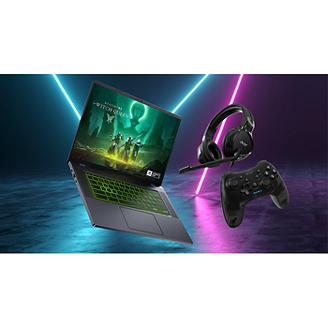
The good news is that most interactive story games are not as graphically intensive as large open-world RPGs, competitive shooters, or high-end action games. That makes the Acer Nitro V 16 AI a strong choice for players who want a laptop that can easily handle current interactive story games and should have no problem with future narrative releases as well.
The Nitro V 16 AI pairs an AMD Ryzen™ 7 350 processor with NVIDIA® GeForce RTX™ 5060 graphics, giving players more than enough power for cinematic scenes, branching dialogue, light exploration, and visually rich story games. It also includes a 16" WUXGA 16:10 IPS display with a 180 Hz refresh rate, 16 GB of DDR5 memory, and a 1 TB SSD, making it a practical choice for gaming, schoolwork, streaming, and everyday use.
Read our full Nitro V 16 AI Gaming Laptop review to see why we named it the best budget gaming laptop of 2026. If you are ready to upgrade, you can buy this affordable gaming computer from the Acer Store while supplies last.
Players who want to compare other models can also browse Acer’s full lineup of budget friendly gaming laptops. Eligible students may be able to save more through Acer’s 15% student discount with Student Beans by verifying their student status before checkout.
FAQ
What are interactive story games?
Interactive story games are games where narrative, characters, and player choice are the main focus. Players take part in the story through dialogue choices, exploration, moral decisions, relationship building, or branching outcomes.
Are interactive story games actually games?
Yes, but they are often less “game-like” than action games, shooters, or RPGs. Many interactive story games feel closer to movies, novels, or TV shows, but they still count as games because the player participates in the story and can influence how events unfold.
What is the best interactive story game to start with?
The Walking Dead: The Telltale Definitive Series is one of the best starting points. It includes the full Clementine story arc, the 400 Days DLC, and The Walking Dead: Michonne, giving new players a complete introduction to modern choice-based storytelling.
Are visual novels and interactive novels the same as interactive story games?
They can be. Visual novels and interactive novels are subgenres of interactive story games when they let players make choices, shape relationships, unlock different routes, or influence the ending. They are usually more text-heavy than cinematic narrative adventures.
Do interactive story games always have multiple endings?
No. Some interactive story games have major branching paths and multiple endings, while others tell a mostly fixed story. Even when the ending does not change much, player choices can still affect dialogue, relationships, character reactions, or how the story feels.
Are interactive story games hard to play?
Most interactive story games are beginner-friendly. They usually focus more on reading, exploration, choices, and light puzzle-solving than fast reflexes or difficult combat. Some games may include quick-time events or management systems, but they are usually easier to learn than competitive or action-heavy games.
Do you need a powerful gaming laptop for interactive story games?
Usually, no. Interactive story games are generally not as graphically demanding as large open-world RPGs or competitive shooters. However, a capable laptop like the Acer Nitro V 16 AI gives players enough performance for current narrative games and future interactive story releases, while also supporting schoolwork, streaming, and everyday use.
Recommended Products
Acer Nitro V 16 AI
(RTX 5060)
Buy Now
Predator Orion 6000
(RTX 5070)
Buy Now
Acer Nitro 85
(RTX 5070)
Buy Now
The Subnautica 2 vs Krafton Lawsuit Explained
The Subnautica 2 lawsuit centers on Krafton, Unknown Worlds, studio control, and a $250 million earnout tied to the studio’s 2021 acquisition deal. After Krafton removed key Unknown Worlds leaders before the game’s early access launch, the Delaware Court of Chancery ruled that Krafton breached the purchase agreement and ordered Ted Gill restored as CEO with control over the Subnautica 2 launch. The dispute became even bigger after Subnautica 2 launched in early access on May 14, 2026, sold millions of copies within days, and reportedly made the earnout payment unavoidable. This article explains how the lawsuit started, why ChatGPT became part of the court record, what the ruling means for Unknown Worlds, and why the case matters for players following Subnautica 2’s development.
The Subnautica 2 lawsuit has become one of the strangest gaming business stories of the year. What started as a fight over a delayed early access launch turned into a much larger battle over studio control, a $250 million bonus, and whether Krafton tried to avoid a deal it had already signed.
Now the story has reached a turning point. According to a late May report from the Korean Economic Daily, picked up by IGN and other outlets, Krafton has agreed to pay the earnout of up to $250 million to Unknown Worlds' former shareholders. The reason is simple: Subnautica 2 sold so well, so fast, that the payout Krafton allegedly tried to avoid became unavoidable.
At the center of the case is Unknown Worlds, the studio behind Subnautica. Krafton bought the studio in 2021 in a deal worth $500 million upfront, with another possible $250 million tied to future performance. That extra payment is called an earnout. In plain English, it means the sellers could earn more money later if the studio hit certain goals after the sale.
That detail matters because Subnautica 2 was not just another release on Krafton's calendar. If the game performed well, it could trigger a large payout to Unknown Worlds' former leaders. According to court findings, that financial risk became a major issue for Krafton as the game moved closer to launch. On March 16, 2026 the Delaware Court of Chancery officially ruled against Krafton and ordered the company to restore Ted Gill as CEO of Unknown Worlds.
How the dispute started
Krafton's acquisition of Unknown Worlds gave the company ownership of the studio, but the deal also protected key leaders inside Unknown Worlds. These leaders included CEO Ted Gill and co-founders Charlie Cleveland and Max McGuire.
Under the purchase agreement, the key employees kept broad control over the studio as long as at least one of them remained employed. That control covered major decisions such as the product roadmap, launch plans, budgets, hiring, and other business operations. In other words, Krafton owned Unknown Worlds, but it had also agreed to let the studio's leaders keep running the business in important ways
The relationship broke down as Subnautica 2 moved closer to early access. Krafton removed Gill, Cleveland, and McGuire in 2025. It also took steps that blocked Unknown Worlds from controlling the game's launch, including control over the Steam publishing app. The court later found that Krafton had breached the agreement by firing the key employees without valid cause and by taking control away from them.
The $250 million earnout
The money at the center of the lawsuit is the $250 million earnout. This was not a simple bonus that Krafton could choose to pay or ignore. It was part of the purchase deal.
The earnout formula was tied to revenue. According to the Korean Economic Daily, Krafton agreed to pay $3.12 for each dollar of studio revenue above a $69.8 million threshold, up to a cap of $250 million. That made Subnautica 2's launch especially important. If the game sold well during the earnout period, Krafton could face a very large payment.
This is why the timing of the launch became so important. Delaying the game could have reduced or avoided the payout. The court found that Krafton's actions were tied to its desire to avoid the earnout, not just to concerns about the game's quality or readiness.
What the court decided
The Delaware court ruled that Krafton did not have valid cause to remove the key Unknown Worlds leaders. The judge ordered Krafton to reinstate Ted Gill as CEO and restore his control over the Subnautica 2 early access launch. The court also ordered Krafton to restore Gill's access to the Steam platform.
The ruling also extended the earnout testing period. PC Gamer reported that the period was extended to at least September 15, 2026, with Fortis retaining the right to extend it further to March 15, 2027. That gave Unknown Worlds more time to earn the payout that Krafton had allegedly tried to avoid.
The court did not say that every part of the case was over. Krafton said after the ruling that damages and earnout claims were still pending. As it turned out, the earnout question would be answered not in a courtroom, but on Steam's sales charts.
Why ChatGPT became part of the story
One of the more unusual parts of the lawsuit is Krafton CEO Changhan Kim's use of ChatGPT. According to the court's ruling, Kim viewed the earnout as a bad deal and felt taken advantage of as internal projections showed Subnautica 2 was on track to trigger it. His own legal department warned him that the earnout would still have to be paid even if the Unknown Worlds leaders were dismissed with cause, and that acting against them carried lawsuit and reputation risks.
Kim then turned to ChatGPT while exploring ways to deal with the earnout issue and regain control of Unknown Worlds. The chatbot initially told him the earnout would be difficult to cancel, but at its suggestion Kim formed an internal task force dubbed "Project X," with a mandate to either negotiate a deal on the earnout or take over Unknown Worlds. The court noted that over the following month, Krafton followed most of ChatGPT's recommendations.
This does not mean ChatGPT caused the lawsuit. It also does not mean using AI is automatically a legal problem. The issue is that the chatbot conversations appeared to support the claim that Krafton was looking for a way around the agreement. In court, that kind of evidence can matter because it helps show intent.
The launch made things worse for Krafton
After the court restored Gill's control, Subnautica 2 moved forward in early access on May 14, 2026. That launch became a problem for Krafton for a simple reason: the game sold very well.
Subnautica 2 sold more than 4 million copies in less than a week. The game also reportedly sold 1 million copies in its first hour and 2 million within 12 hours, and reached a peak of more than 467,000 concurrent players on Steam.
Those numbers matter because the earnout is tied to revenue. Subnautica 2 became the fastest-selling Steam game of 2026 so far, with Alinea Analytics estimating more than $100 million in revenue during its first week. With sales like that, the question stopped being whether Krafton would owe the earnout and became how quickly the bill would arrive.
Krafton reportedly agrees to pay
On May 28, 2026, the Korean Economic Daily reported that Krafton has agreed to pay the earnout of up to $250 million to Unknown Worlds' former shareholders, citing game industry sources in Seoul. IGN and other outlets quickly picked up the story.
The scale of the payment is significant. The $250 million cap is equal to roughly 35% of Krafton's operating profit from last year. That is a painful number for any publisher, and it lands on top of the legal costs and reputational damage from the lawsuit itself.
A few caveats are worth keeping in mind. The report is based on industry sources, and neither Krafton nor Unknown Worlds has publicly confirmed the agreement. The exact final amount also depends on how revenue is counted under the contract. But the direction of the story is clear: the payout Krafton allegedly built "Project X" to avoid now appears to be happening, driven by the very launch the company once delayed.
What this means for players
For players, the lawsuit does not change the basic fact that Subnautica 2 is now playable in early access. The game launched on PC and Xbox Series X|S, and it is expected to remain in early access for a long period while Unknown Worlds adds more content and features. The early access period is expected to last about two to three years, and the studio has already shared an early access roadmap teasing co-op upgrades, new biomes, vehicles, and story content
The bigger question is how the legal fight affects the studio behind the game. Court filings and reports describe a tense relationship between Krafton and Unknown Worlds. The judge also noted that putting Gill back in charge would likely create tension with the parent company, but said that did not excuse Krafton's breach of contract.
For now, the game itself appears to be moving forward, and the people who built it look set to be paid what the deal promised.
Is Unknown Worlds independent from Krafton?
No. Unknown Worlds is still owned by Krafton.
This point has caused confusion because some players saw changes to the game's Steam page and thought Unknown Worlds had fully separated from Krafton. That is not what happened. Krafton still owns the studio, but the court restored operational control to Gill under the terms of the original purchase agreement.
That means Krafton remains the parent company, while Unknown Worlds has court-backed authority over key parts of Subnautica 2's launch and operation.
What happens next?
The biggest open question, the earnout, now appears to be answered. If the reports hold, Krafton will pay up to $250 million to Unknown Worlds' former shareholders, closing out the issue at the heart of the dispute.
That does not mean every legal thread is tied off. Damages claims from the earlier ruling may still be resolved, the final earnout figure depends on the contract's revenue math, and neither company has officially confirmed the payment. Official statements from Krafton or Unknown Worlds could still add detail or complicate the picture.
The case also sends a warning to large publishers and buyers. Buying a studio does not always mean full control from day one. If a purchase agreement protects the old leadership, courts may enforce those rights even when the buyer later regrets the deal. And as the ChatGPT episode showed, looking for a way around a signed contract can end up as evidence against you.
For fans, the story is much simpler. Subnautica 2 is playable, the studio's leadership won in court, and the developers are reportedly getting the bonus they fought for.
Conclusion
The Subnautica 2 lawsuit is a rare case where the business story around a game became almost as dramatic as the game itself. Krafton bought Unknown Worlds, but the deal came with limits. When Subnautica 2 became a major release with serious revenue potential, those limits became much harder to ignore.
For fans, the best outcome is simple: Subnautica 2 is playable, the game is moving forward, and players can support it directly by playing, reviewing, and staying involved during early access. Strong player support matters even more for a game built around community feedback.
https://www.youtube.com/watch?v=hZxabvs4K1E
If you are planning to dive into Subnautica 2 and need a reliable gaming setup, the Acer Nitro V 16 AI is a strong budget friendly gaming computer for players who want smooth performance without moving into premium laptop pricing. You can also browse Acer Nitro for our other cost-effective gaming devices.
The Acer Nitro V 16 AI comes equipped with:
* Windows 11 Home
* AMD Ryzen™ 7 350 processor, octa-core 2 GHz
* NVIDIA® GeForce RTX™ 5060 with 8 GB dedicated memory
* 16" WUXGA (1920 x 1200) 16:10 IPS display with 180 Hz refresh rate
* 16 GB DDR5 SDRAM
* 1 TB SSD
If you are ready to upgrade, check out this 16 inch affordable gaming laptop from the Acer Store. Eligible students may also be able to save more through Acer’s 15% student discount with Student Beans.
FAQ
What is the Subnautica 2 lawsuit about?
The Subnautica 2 lawsuit is about Krafton, Unknown Worlds, studio control, and a $250 million earnout. Krafton bought Unknown Worlds in 2021, but the deal gave key studio leaders control over major business decisions. The dispute started after Krafton removed those leaders before the game’s early access launch.
Why did Krafton fire Unknown Worlds’ leaders?
Krafton said it had valid reasons to remove the leaders, including concerns about the timing of the Subnautica 2 launch. The court did not agree. It found that Krafton did not meet the contract’s strict standard for firing them for cause.
Is Krafton actually paying the $250 million earnout?
Reportedly, yes. In late May 2026, the Korean Economic Daily reported that Krafton has agreed to pay the earnout of up to $250 million to Unknown Worlds' former shareholders after Subnautica 2's strong early access sales. Neither company has publicly confirmed the agreement, and the final amount depends on the contract's revenue formula.
What did the court decide in the Subnautica 2 lawsuit?
The court ruled that Krafton breached the purchase agreement. It ordered Krafton to reinstate Ted Gill as CEO of Unknown Worlds, restore his control over the Subnautica 2 early access launch, and extend the earnout period.
Does Krafton still own Unknown Worlds?
Yes. Krafton still owns Unknown Worlds. The court ruling did not make Unknown Worlds independent again. It restored certain control rights to Unknown Worlds’ leadership under the original purchase agreement.
When did Subnautica 2 release in early access?
Subnautica 2 released in early access on May 14, 2026. The game launched on PC and Xbox Series X|S, giving players the chance to explore the sequel while Unknown Worlds continues to add content, polish systems, and collect player feedback.
Is the Subnautica 2 lawsuit over?
No. The lawsuit is not fully over. The first major ruling restored leadership control and extended the earnout period, but damages and the final earnout amount may still be decided later.
Why does this lawsuit matter to players?
The lawsuit matters because it affects the studio behind Subnautica 2. It also shows how business deals can shape game development, launch timing, and studio leadership. For players, the main point is that Subnautica 2 is playable and still being developed through early access.
Recommended Products
Acer Nitro V 16 AI (RTX 5060)
Buy Now
Predator Helios Neo 16 AI (RTX 5070)
Buy Now
Predator Helios 18 AI (RTX 5080)
Buy Now
Introducing the Latest Gaming Desktops by Acer Nitro - The Nitro 85
The Acer Nitro 85 lineup includes three powerful gaming desktops built for players who want strong performance, modern hardware, and long-term value. Each configuration comes with DDR5 memory, PCIe 4.0 NVMe storage, Wi-Fi 7, Bluetooth 5.4, and 2.5Gb Ethernet, but the CPU and GPU choices target different users. The Ryzen 7 7800X3D and RTX 5070 model is the gaming-focused flagship, the Ryzen 9 9900X and Radeon RX 9070 XT model offers the strongest raw performance and value with 16 GB of VRAM, and the Intel Core Ultra 7 265F and RTX 5070 model gives buyers a lower-cost entry point into the Nitro 85 family. This guide compares all three Acer Nitro 85 desktops to help gamers choose the best system for high frame rates, ray tracing, DLSS, content creation, multitasking, and future-ready PC gaming.
Join us as we explore the latest Acer Nitro desktop lineup, breaking down all three Acer Nitro 85 configurations, comparing their CPU and GPU combinations, and helping you figure out which one deserves a spot on your desk. Building on the foundations laid by the best budget gaming desktop and mid tier budget gaming desktop systems in the Nitro family, the Acer Nitro 85 steps in as the new performance leader of the pack. All three models share the same modern platform with DDR5 memory, PCIe 4.0 storage, and Wi-Fi 7 connectivity, while the CPU and GPU combinations give each machine its own personality and strengths.
And that is where things start to get interesting. One Acer Nitro 85 pairs the gaming-favorite Ryzen 7 7800X3D with NVIDIA graphics for a proven gaming combination, another combines the Ryzen 9 with the Radeon RX 9070 XT to push hard on value and raw gaming performance, while the Intel-powered variant shows how far Intel has come as it continues closing the gap in gaming performance. All three are serious gaming desktops, but they target slightly different users, and the differences go far beyond simply choosing a CPU brand or graphics card. Let’s jump right in!
1. Acer Nitro 85 Gaming Desktop – N85-100-UR38
If gaming comes first and everything else comes second, the Acer Nitro 85 Gaming Desktop – N85-100-UR38 is arguably the play-to slay flagship of the lineup. It pairs the highly respected AMD Ryzen 7 7800X3D with an NVIDIA GeForce RTX 5070, combining one of the strongest gaming CPUs of recent years with NVIDIA’s mature software ecosystem. The result is a desktop aimed squarely at players chasing high frame rates, competitive gaming performance, and long gaming sessions without compromise.
The Ryzen 7 7800X3D earned its reputation thanks to AMD’s 3D V-Cache technology, helping it become a favorite among gamers and benchmark charts alike. Pairing it with the RTX 5070 also opens the door to NVIDIA features such as DLSS, ray tracing, creator tools, and the broader RTX software ecosystem. For gamers who value plug-and-play features and broad game support, this combination remains extremely attractive.
The Ryzen 7 7800X3D has already earned a rock-solid reputation among gamers, while the RTX 5070 brings a familiar ecosystem with mature drivers, broad game support, and features that many players already know and use. It may not push the raw value argument as hard as the RX 9070 XT system, but it delivers a balanced combination of gaming performance, software support, and long-term confidence that will appeal to most serious players.
* Processor: AMD Ryzen 7 7800X3D (up to 5.0 GHz)
* Graphics: NVIDIA GeForce RTX 5070, 12 GB GDDR7
* Memory: 16 GB DDR5
* Storage: 1 TB PCIe 4.0 NVMe SSD
* Connectivity: Wi-Fi 7, Bluetooth 5.4, 2.5Gb Ethernet
* Price: $2,199.99
Pros: Outstanding gaming CPU, mature NVIDIA software support, strong ray tracing and DLSS ecosystem.
Cons: The RTX 5070 gives up some raw value and VRAM compared with the RX 9070 XT configuration elsewhere in the lineup.
2. Acer Nitro 85 Gaming Desktop – N85-100-UR37
If the UR38 is the gaming specialist, then the Acer Nitro 85 Gaming Desktop – N85-100-UR37 is the value heavyweight of the family. At the same $2,199.99 price point, Acer swaps the RTX card for an AMD Radeon RX 9070 XT and upgrades the processor to the Ryzen 9 9900X, creating a desktop that pushes hard on raw performance and multicore muscle.
The star of the show here is the RX 9070 XT, arguably the best value GPU floating around this year. AMD’s latest card has been making serious waves thanks to its performance-per-dollar proposition, with many gamers viewing it as one of the strongest value GPUs currently available. It also brings 16 GB of VRAM, giving it an advantage over the RTX 5070 configuration when it comes to memory capacity. Combined with the 12-core Ryzen 9, this Acer Nitro desktop starts looking attractive not only for gaming but also for heavier workloads, streaming, multitasking, and creator tasks.
The RX 9070 XT is not just a value play either. In raw gaming performance it can punch noticeably above the RTX 5070, while also bringing a larger 16 GB VRAM buffer to the table. That combination of higher gaming output and extra memory capacity is a big reason why many players now view it as one of the strongest value graphics cards available.
That said, there is a tradeoff. While the RX 9070 XT delivers impressive gaming performance, NVIDIA still retains an edge in software support, ray tracing maturity, and features such as DLSS. Gamers who value those extras may still prefer the RTX route, even if AMD wins the raw performance and value conversation.
* Processor: AMD Ryzen 9 9900X (up to 5.6 GHz)
* Graphics: AMD Radeon RX 9070 XT, 16 GB GDDR6
* Memory: 16 GB DDR5
* Storage: 1 TB PCIe 4.0 NVMe SSD
* Connectivity: Wi-Fi 7, Bluetooth 5.4, 2.5Gb Ethernet
* Price: $2,199.99
Pros: Excellent value-per-performance, 16 GB VRAM, stronger multicore CPU, impressive gaming output.
Cons: NVIDIA still leads in software ecosystem features, DLSS support, and creator-focused tools.
3. Acer Nitro 85 Gaming Desktop – N85-600-UR35
Three is the magic number and the Acer Nitro 85 Gaming Desktop – N85-600-UR35, is the Intel-powered entry of the Nitro family and also the most affordable configuration at $1,999.99. Acer pairs the Intel Core Ultra 7 265F with an NVIDIA GeForce RTX 5070, creating a machine that balances gaming performance, modern platform features, and a lower price tag.
AMD may have dominated much of the gaming CPU conversation recently, especially with its X3D chips, but Intel has been steadily closing the gap. The 20-core Core Ultra 7 265F gives this system plenty of horsepower for gaming while also offering strong multitasking potential. Combined with the RTX 5070 and NVIDIA’s software stack, this desktop feels like a well-rounded option for players who want gaming performance while keeping one foot in productivity, content creation, or streaming.
The biggest advantage here is value. You still get the same Nitro 85 platform, identical connectivity, DDR5 memory, Wi-Fi 7, PCIe 4.0 storage, and the RTX ecosystem, all while saving $200 compared with the AMD flagship configurations. For many buyers, that alone may make this the sweet spot.
* Processor: Intel Core Ultra 7 265F (up to 5.3 GHz)
* Graphics: NVIDIA GeForce RTX 5070, 12 GB GDDR7
* Memory: 16 GB DDR5
* Storage: 1 TB PCIe 4.0 NVMe SSD
* Connectivity: Wi-Fi 7, Bluetooth 5.4, 2.5Gb Ethernet
* Price: $1,999.99
Pros: Lowest price in the lineup, modern Intel platform, strong balance between gaming and productivity, RTX ecosystem benefits.
Cons: Gaming enthusiasts chasing maximum FPS may still gravitate toward the Ryzen 7 7800X3D model.
AMD vs NVIDIA: Which Nitro 85 Configuration Should You Choose?
The Acer Nitro 85 lineup provides players with three distinct approaches to gaming performance, each opening a world of gaming possibilities. AMD has been on a remarkable run in gaming over the last few years, especially with chips such as the Ryzen 7 7800X3D becoming favorites among enthusiasts and benchmark charts alike. The Ryzen-powered Acer Nitro 85 models lean into that momentum, delivering gaming-first performance while also offering strong value.
On the graphics side, the Radeon RX 9070 XT deserves special attention. AMD’s latest card has built a strong reputation for performance-per-dollar and many gamers now view it as one of the strongest value graphics cards currently available, with far better performance than the NVIDIA GeForce RTX 5070. The combination of the Ryzen 9 9900X and RX 9070 XT in the UR37 configuration makes a compelling case for buyers who prioritize raw gaming performance and value.
Still, NVIDIA holds other important advantages. Features such as DLSS, ray tracing support, creator tools, and the broader RTX software ecosystem remain major selling points, particularly for gamers who stream, create content, or want access to NVIDIA’s mature feature stack. That is where the RTX 5070 systems continue to shine. In short, the UR38 is the gaming specialist, the UR37 is the value powerhouse, and the UR35 acts as the balanced entry point into the Nitro 85 family.
Acer Nitro 85: the choice is yours
All three desktops in the Acer Nitro 85 family share the same modern foundation with DDR5 memory, PCIe 4.0 storage, Wi-Fi 7 connectivity, and room to grow, but the CPU and GPU combinations push each machine in a different direction.
If gaming comes first, the Acer Nitro 85 Gaming Desktop – N85-100-UR38 remains a compelling pick thanks to the Ryzen 7 7800X3D and RTX pairing. If you are chasing value and raw gaming performance, the Acer Nitro 85 Gaming Desktop – N85-100-UR37 makes a very strong argument with its Ryzen 9 and RX 9070 XT combination. Meanwhile, the Acer Nitro 85 Gaming Desktop – N85-600-UR35 lowers the entry price while still delivering the RTX ecosystem and modern Intel hardware.
Let’s not forget: the extended Acer Nitro family now covers a surprisingly wide range of players too. If the Nitro 85 sits at the performance end of the spectrum, gamers looking for something more affordable can still explore the best budget gaming desktop in the Nitro 50 range, for other best budget gaming laptops, while the Nitro 60 handles the mid tier budget gaming desktop territory. Together they give the Nitro lineup a desktop for almost every budget and performance target.
Before we say goodbye, let’s get back to the Acer Nitro 85! Despite their differences, all three Acer Nitro desktops should remain highly capable gaming systems for 5+ years, making them solid long-term investments for players planning to keep their rig through multiple gaming generations.
Students can stretch the value even further with Acer’s 15% student discount, knocking even more off systems that are already built to last for years. And once you have sorted the desktop, do not forget the display side of the setup. If you need a monitor to match your new rig, check out Acer’s guide to 5 must-buy 4K monitors from Acer in 2026.
FAQs
Which Acer Nitro 85 is best for gaming?
The Acer Nitro 85 Gaming Desktop – N85-100-UR38 is the gaming-focused flagship thanks to its Ryzen 7 7800X3D and RTX 5070 combination, making it a strong choice for players prioritizing high frame rates.
Which Acer Nitro 85 offers the best value?
The Acer Nitro 85 Gaming Desktop – N85-100-UR37 makes a compelling value argument with its Ryzen 9 9900X and Radeon RX 9070 XT pairing, delivering strong raw gaming performance and 16 GB VRAM.
Is the RX 9070 XT better than the RTX 5070?
In raw gaming performance, the RX 9070 XT can outperform the RTX 5070 and also includes more VRAM. However, NVIDIA still holds advantages in areas such as DLSS, ray tracing, and software support.
Is Intel still good for gaming in 2026?
Yes. The Acer Nitro 85 Gaming Desktop – N85-600-UR35 shows how Intel has continued closing the gap, pairing the Core Ultra 7 265F with an RTX 5070 for a balanced gaming and productivity setup.
Recommended Products
Acer Nitro 85 AMD
(RTX 5070)
Buy Now
Acer Nitro 85 AMD
(RX 9070 XT)
Buy Now
Acer Nitro 85 Intel
(RTX 5070)
Buy Now